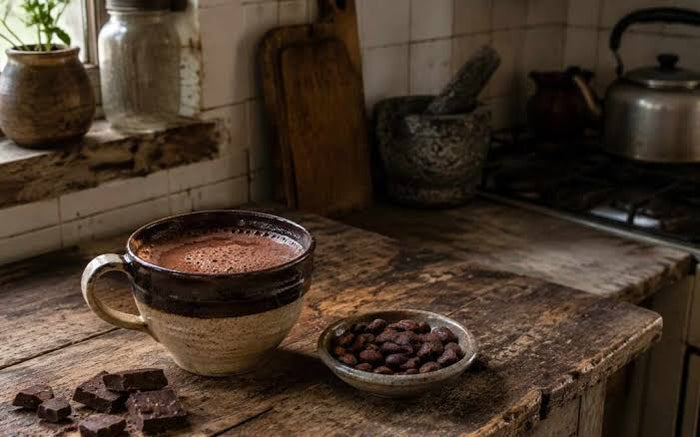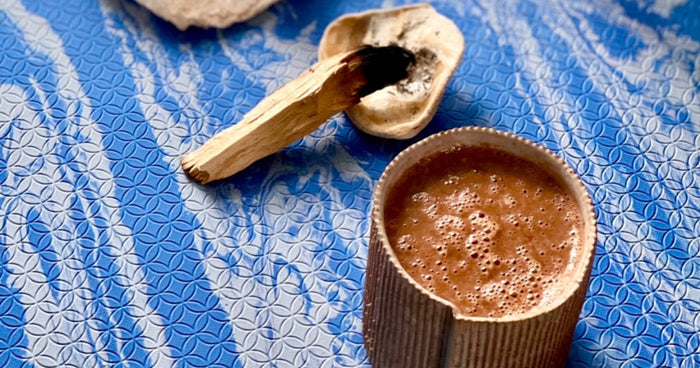
If you have ever wandered into a local cocoa shop or browsed the baking aisle looking for something to satisfy a deep chocolate craving, you have likely noticed a subtle shift on the labels. Some containers are boldly stamped with cocoa, while others use the slightly more exotic spelling: cacao.
At first glance, it feels like a linguistic mix-up: a simple typo or a clever marketing trick to make one jar look more premium than the next. But beneath that one-letter difference lies two completely distinct methods of processing.
While both versions start their journey in the exact same place, how they are treated after harvest changes everything. Understanding this difference is the secret to unlocking the true health benefits and complex flavors of real chocolate.
The Linguistic Mix-Up: What Actually Happens to the Bean?
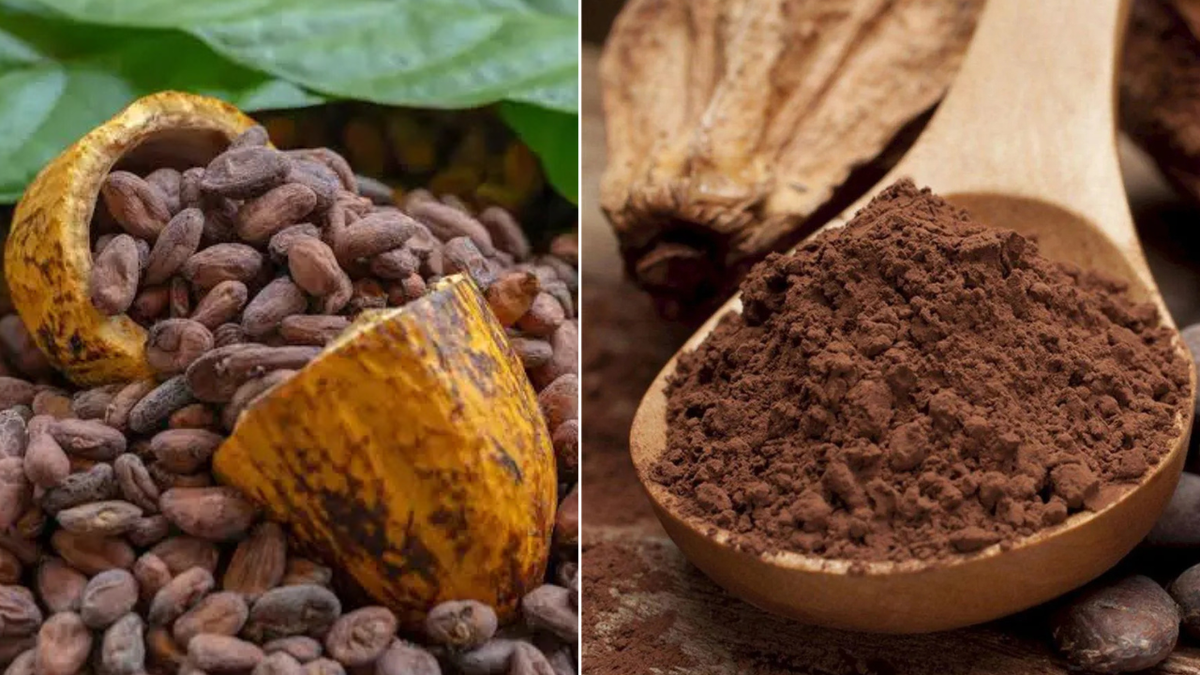
To understand why these two products diverge, we have to look at their origin. Both cocoa and cacao come from the seed pods of the Theobroma cacao tree. Inside these pods are bitter seeds surrounded by a sweet, white pulp.
The split between cacao and cocoa happens entirely in the way those seeds are processed.
Cacao: The Cold-Pressed Standard
Cacao refers to the bean in its closest state to nature. After the beans are harvested and fermented, they are dried and pressed at very low temperatures. By keeping the heat minimal, the process separates the fatty cacao butter from the solids without cooking the bean. This preserves the living enzymes, delicate nutrients, and the raw, unadulterated flavor profile of the fruit.
Cocoa: The High-Heat Standard
This is the traditional powder you are used to seeing on the shelves of a standard supermarket or mass-market cocoa shop. To make cocoa powder, the beans undergo a high-heat roasting process, often followed by a chemical wash (known as "Dutch processing") to reduce the natural acidity. While this creates a very smooth, predictable, and familiar chocolate flavor, the intense heat alters the molecular structure of the bean, destroying a significant portion of its nutritional value.
Why Cacao Quietly Outperforms Cocoa
If you are choosing between the two for your daily routine, the functional differences are staggering. When you choose minimally processed cacao over highly roasted cocoa, you are getting a completely different product under the hood.
-
Antioxidant Density: Raw cacao is one of the highest plant-based sources of antioxidants on the planet, boasting up to four times the antioxidant content of standard processed cocoa powder. These compounds fight free radicals and support cardiovascular health, but they are incredibly sensitive to the high heat used in standard cocoa production.
-
The Mood Element: Ever notice how a piece of chocolate makes you feel genuinely happier? That isn't just psychological. Cacao contains high levels of magnesium, iron, and tryptophan (an amino acid your body uses to produce serotonin). Standard roasting methods burn these delicate, mood-boosting compounds off.
-
Flavor Complexity: Much like fine wine or specialty coffee, raw cacao carries the flavors of the soil it was grown in. It can taste fruity, floral, or deeply nutty. Standard cocoa powder, because it is roasted so intensely, loses these subtle notes. To make up for that loss of complexity, mass-market producers often have to rely heavily on added sugars and milk solids.
Balancing the Scale: Where Cocoa Might Still Have a Place
To be entirely fair, cocoa isn't the enemy. It has stayed a kitchen staple for generations for a few practical reasons.
Because cocoa is heavily roasted, its flavor is highly predictable, making it easy to use in standard baking. If you are making a classic birthday cake that relies on baking soda to rise, standard cocoa powder (or Dutch-processed cocoa) reacts predictably with the leavening agents. Furthermore, because it is mass-produced at high speeds, standard cocoa is generally cheaper.
If your only goal is to add a familiar chocolate color and basic flavor to a high-heat bake, in terms of flavor the standard cocoa gets the job done. But if you are looking for actual functional health benefits, clean energy, and the true, complex flavor of the earth, cocoa falls short. Not to mention heavy metals.
The Elephant in the Room: Heavy Metals in Cocoa and Cacao
You cannot talk about sourcing real chocolate without addressing a headline that has taken the wellness world by storm: the presence of heavy metals, specifically lead and cadmium, in dark chocolate and cocoa products.
Independent testing by consumer groups has shown that a significant number of popular chocolate brands contain levels of these metals that exceed conservative daily safety guidelines. If you are using cacao for its health benefits, this is understandably alarming.
Cadmium Comes from the Earth
Cadmium is a naturally occurring element in soil, particularly in volcanic regions like parts of South and Central America. As the Theobroma cacao tree grows, its roots naturally draw up cadmium from the earth alongside other minerals, depositing it directly into the cocoa solids. Because it is absorbed biologically, you cannot simply wash it off.
Lead Creeps in After Harvest
Lead, on the other hand, rarely enters through the roots. Instead, it typically hitches a ride after the beans are harvested. When beans are left to dry out in the open air near busy roads or industrial areas, dust and dirt containing legacy industrial lead settle on the sticky outer shells of the cocoa beans. During mass-scale industrial cracking and roasting, that lead can accidentally migrate into the final powder.
Navigating the Risk: How We Handle It
Does this mean you should swear off your daily chocolate ritual? Not at all. It just means that knowing where and how your chocolate is sourced is no longer optional.
Because heavy metals bind strictly to the cocoa solids (the dark, powdery part of the bean) and not the cocoa butter, the purity of your source material matters immensely.
At Cacao Adventures, we treat this issue with strict transparency rather than corporate deflection:
-
Geographic Selectivity: We actively avoid sourcing from regions known for naturally hyper-elevated soil cadmium levels. By testing soil profiles and working with small-scale farmers in regions with cleaner baselines, we manage cadmium risks right at the root.
-
Protected Post-Harvest Environments: To eliminate the risk of ambient lead contamination, our partner farms utilize elevated, covered drying beds rather than letting beans sit on open roadsides or exposed concrete lots near industrial farm equipment.
-
Rigorous Batch Testing: We don’t guess; we verify. Every batch of our raw cacao is independently lab-tested for heavy metals to ensure it comfortably meets safety standards, allowing you to enjoy the deep, functional benefits of raw cacao without the background anxiety.
Elevating Your Sourcing: What to Look For
Moving past the generic options found at an average cocoa shop requires looking closely at how the beans are handled. Truly exceptional chocolate products aren't defined by flashy marketing, but by a commitment to minimal intervention.
The Quality Benchmark: When sourcing your ingredients, look for labels that specify "single-origin," "cold-pressed," or "transparently sourced."
At Cacao Adventures, our approach is guided entirely by this philosophy. We treat the bean with a sense of stewardship rather than just viewing it as a raw material for mass production. By working directly with farmers who prioritize sustainable harvesting, and by keeping our processing temperatures low, we ensure that the natural integrity of the bean remains completely intact.
We don't need to add artificial fillers or excessive sugars to mask our flavors, because the natural profile of properly preserved cacao is already spectacular. Whether you are blending it into a morning smoothie, whisking it into a functional hot drink, or using it in raw desserts, choosing real, uncompromised cacao is the simplest way to upgrade your relationship with chocolate.