Insulated Shipping + Gel Packs (48-Hour Protection)
This add-on includes an insulated thermal liner and gel cooling packs to help your cacao arrive in ideal condition during warmer months.
We recommend adding warm-weather protection when destination temperatures regularly exceed 80°F (27°C).
The gel packs are designed to maintain cooling for approximately 48 hours in transit under normal shipping conditions.
When Should I Choose Expedited Shipping?
If temperatures at the destination exceed 80°F (27°C), we strongly recommend selecting expedited shipping at checkout.
Because the cooling packs are effective for about 48 hours, faster transit significantly reduces the risk of melting - especially in climates reaching 90–100°F (32–40°C).
If your order is going to be shipped to a place that will be over 100F we highly recommend Overnight shipping at checkout.
Please note:
This protection is not intended for packages left outdoors in direct sunlight or extreme heat for extended periods.
Overnight shipping is not included in this add-on and must be selected separately at checkout.
Designed for Warm Weather - Another Option
If you prefer not to use insulated packaging, we also offer a Cacao Block intentionally designed to withstand melting and re-solidification during transit.
Unlike shaped or tempered products, the block can safely melt and re-harden without affecting quality or usability. This makes it a practical option for hotter climates.
What’s Included
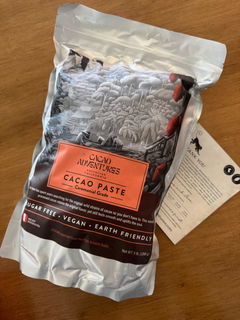
- Insulated silver thermal mailer.
- White gel cooling packs
- Temperature-conscious packing practices
For bulk packaging we will use a box and a liner instead of a mailer.
A Note on Climate & Responsibility
We do everything possible on our end to help your cacao arrive in excellent condition. However, once your package leaves our facility, we cannot control carrier delays, local weather conditions, or how long a package may remain outdoors after delivery.
For best results, we recommend:
- Monitoring your tracking information
- Bringing your package indoors promptly upon delivery
- Choosing expedited shipping in high-heat regions
This service significantly reduces heat risk during transit — but it cannot eliminate it entirely in extreme conditions.