“Premium chocolate” is one of the most-searched chocolate terms there is, and one of the least defined. Almost any chocolate brand — including large commercial ones — can and does use the word “premium” somewhere in its packaging or marketing. “Craft chocolate” is a narrower, more specific term, and understanding the gap between the two will save you from paying a premium price for something that isn’t actually craft.
“Premium” is a marketing term, not a production standard
There’s no regulatory or industry definition of “premium chocolate.” Any brand can apply the label to signal that their product sits above a baseline — usually meaning higher cacao content, nicer packaging, higher price, or some combination of the three — without it implying anything specific about sourcing, ingredients, or how the chocolate was actually made. A mass-produced chocolate brand can absolutely be premium relative to the cheapest chocolate on the shelf while still being made through the same industrial commodity process described in Article 2 of this series.
That doesn’t make “premium” meaningless — a premium-tier chocolate bar from a major manufacturer is often genuinely better than that same manufacturer’s baseline product, usually through higher cacao percentage, better cacao butter ratios, or more refined conching. But “premium” describes a tier within a brand’s own lineup, not a category with defined standards.
“Craft” is a narrower, more specific claim
“Craft chocolate” implies small-batch production, close attention to sourcing (often specific, named origins), minimal ingredients, and hands-on production methods — closer in spirit to how “craft beer” or “craft coffee” get used. It’s not a legally protected term either, but the community of makers and reviewers who use it consistently apply it to bean-to-bar or tree-to-bar producers working at meaningfully smaller scale than commercial chocolate manufacturing.
In practice, craft chocolate and premium chocolate often overlap — a well-made craft bar is usually also a premium-priced one — but the reverse isn’t guaranteed. A chocolate bar can be marketed and priced as premium while still being manufactured at industrial scale from commodity cacao with standard additives.
Three questions that cut through the labels

Rather than relying on either word, ask: Does the brand name a specific cacao origin, ideally down to region or cooperative, not just a continent? What does the ingredient list actually say — two to four recognizable ingredients, or a longer list including lecithin and flavoring? What’s the actual batch scale — is this a maker producing thousands of bars a year, or millions?
Answering those three questions will tell you far more about what you’re buying than either “premium” or “craft” printed on the wrapper.
Why this confusion is expensive for consumers
Because “premium” carries no verification requirement, it’s possible to pay premium prices for chocolate that offers none of craft chocolate’s actual advantages — origin traceability, minimal processing, small-batch attention to flavor. That’s not a reason to distrust every bar labeled premium; it’s a reason to look past the word itself and check the ingredient list and origin claims underneath it, the same way you would with “natural” or “artisan” on any other food label.
The takeaway
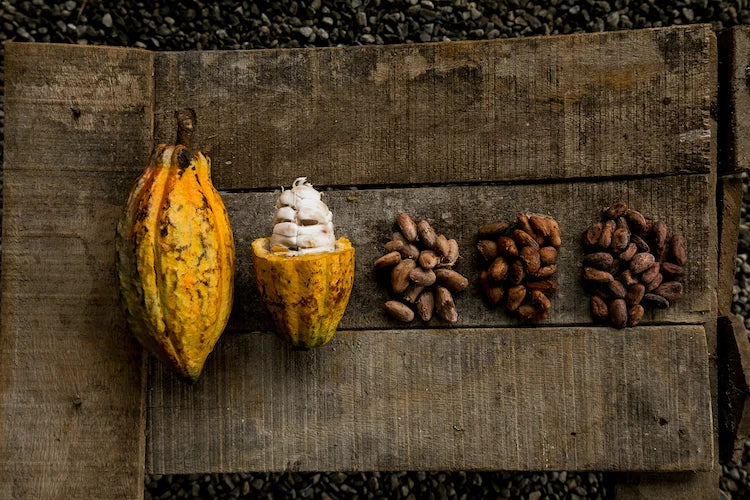
There's a difference between sourcing cacao and sourcing from someone. We purchase our beans — not nibs — directly from communities in the Amazon, working hand in hand with the farmers themselves rather than through a chain of processors and traders. That direct relationship is what turns "bean to bar" into something more accurate: farm to bar, from the people who grow it to the bar in your hand.
If you want the flavor characteristics and traceability associated with craft chocolate — distinct origin flavor notes, short ingredient lists, small-batch production — look for the specific markers described above rather than trusting either the word “premium” or “craft” on its own. Both words can be true. Only one of them, backed by real specifics, tells you something you can actually taste. It’s the standard we hold our own bars to as well — a set like The 3-bar bean-to-bar chocolate set names its origin (Peru), states each bar’s actual cacao percentage, and keeps the ingredient list short enough to read in one breath.