In 2013, the United Nations declared an entire year in its honor. Quinoa had been quietly feeding Andean communities for thousands of years before the rest of the world caught on — and it turns out the attention was earned.
What Is Quinoa?
Quinoa (Chenopodium quinoa) isn't technically a grain at all — it's a seed, distantly related to spinach and beets, native to the Andean highlands of Peru and Bolivia. Andean communities called it the "mother grain," and cultivated dozens of varieties across the mountains long before it reached grocery shelves anywhere else.
Each seed is naturally covered in a bitter, saponin-rich coating that protects the plant from pests in the field. That coating is rinsed away during processing, which is what turns quinoa from bitter to the mild, nutty seed most people know today.
What Does Quinoa Taste Like?
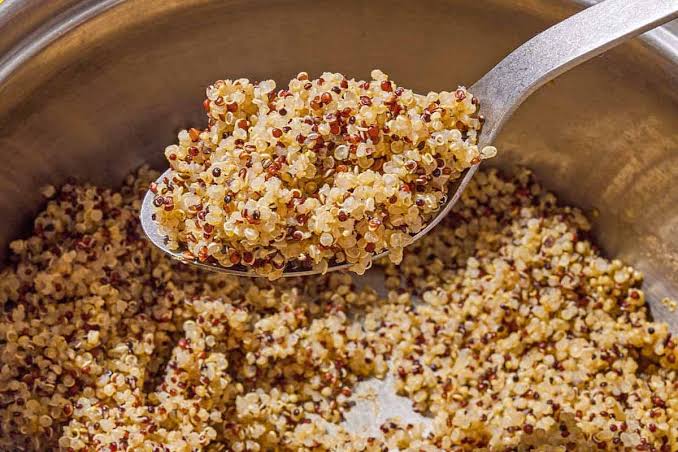
Cooked quinoa has a light, fluffy texture with a subtly nutty flavor. As it cooks, the thin germ around each seed partially detaches and forms a small, slightly crunchy "tail" — part of what gives quinoa its distinctive bite compared to rice or other grains.
What the Research Says
Quinoa's headline nutritional claim is that it's a complete protein: it contains all nine essential amino acids the body can't produce on its own, according to the U.S. National Library of Medicine's MedlinePlus. That's unusual for a plant-based food, and one reason quinoa is popular in vegan and vegetarian diets.
Beyond protein, a 2024 review published in the journal Antioxidants found that quinoa's bioactive compounds — including peptides, polysaccharides, and saponins — are associated with antioxidative, anti-inflammatory, and cardiovascular benefits in preliminary research. Quinoa is also naturally gluten-free and carries a relatively low glycemic index, which is part of why it's often recommended as an alternative to rice or wheat-based grains for people managing blood sugar or following a gluten-free diet.
Where Quinoa Is Grown
Quinoa is grown at high altitude across the Andes, primarily in Peru, Bolivia, and parts of Chile, where it tolerates frost, drought, and poor soil better than almost any other food crop — one reason it sustained Andean communities for so long, and one reason researchers see it as a resilient crop for the future.
Quinoa in Our Chocolate

We use popped quinoa and Maras salt — the pink salt harvested from ancient terraced pools in Peru's Sacred Valley — in our 70% Dark Chocolate Bar with Popped Quinoa & Maras Salt, made with our Sacred Valley cacao. Popped, the quinoa turns light and crisp, adding texture against the smooth snap of the chocolate — two Andean staples from the same valley, together in one bar.