A cacao ceremony is a facilitated gathering, usually two to three hours long, where you drink a cup of warm ceremonial cacao, set an intention, and spend time in guided meditation, breathwork, music, or quiet reflection. Many end with a short, optional sharing circle. You don’t need any experience, and you don’t need to believe anything in particular to take part.
If you’re heading to your first one, this guide covers what actually happens, how long it lasts, what you might feel, how to prepare, and how to find a facilitator you can trust. The goal is simple: help you arrive relaxed and ready, instead of nervous about getting it wrong.
What happens at a cacao ceremony, step by step
Every facilitator shapes the evening in their own way, but most gatherings follow a similar arc. (Curious about the host’s side? See our guide to how to facilitate a cacao ceremony.)
- Arrival and settling in (10–15 minutes). You choose a seat on a cushion, mat, or chair. The host welcomes everyone, explains how the evening will flow, and usually asks about allergies, pregnancy, and medications. Answer honestly; it helps them look after you.
- Opening. The host guides a few grounding breaths and says a few words of welcome. Many also take a moment to acknowledge where cacao comes from and the people who grow it.
- Setting an intention. You’re invited to name, silently or aloud, what you’re bringing into the room. There’s no right answer; “rest” or “curiosity” is a perfectly good intention. For ideas, see the importance of setting intentions for your cacao ritual.
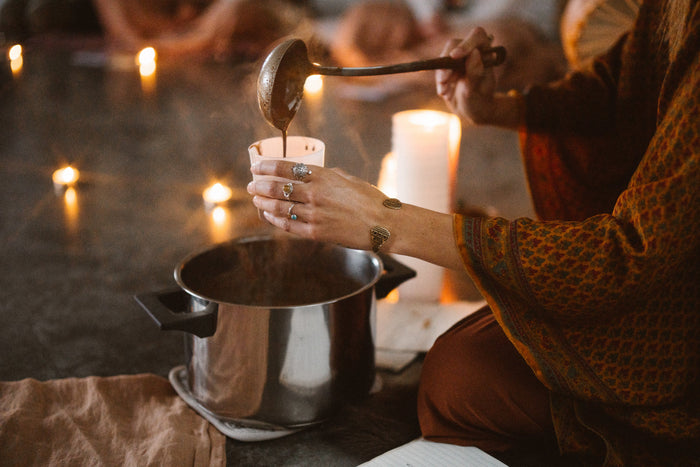
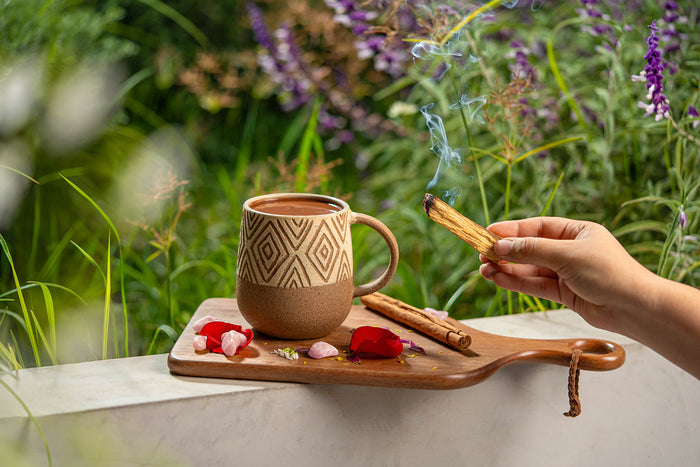
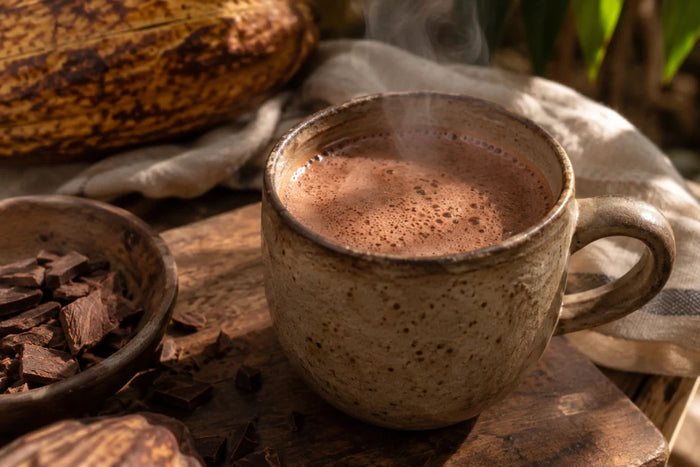
- The cup. The cacao is served warm, in a mug or small cup. It’s thicker and more bitter than hot chocolate because it’s pure cacao rather than a sweetened mix. Sip slowly and take as much or as little as you like. A smaller cup, or tea instead, is always okay.
- The practice (30–60 minutes). This is the heart of the evening, and it varies the most: a guided meditation, breathwork, a sound bath, gentle movement, music, or journaling. You can adjust, sit out, or rest at any point.
- Sharing circle (optional). People may share what came up, one at a time, without interruption or advice. Passing is always allowed.
- Closing. The host leads a moment of thanks, often with a few breaths together. Many gatherings finish with water, light snacks, and time to chat.
How long does a cacao ceremony last?
Most run about two to three hours, including arrival. Shorter lunchtime sessions of 60 to 90 minutes exist, and retreats can stretch across a full day. Check the listing, and keep your evening open so you can leave without rushing.
What does a cacao ceremony feel like?
For most people, the effects are subtle. Common descriptions include calm alertness, warmth, a lifted mood, easier focus, and sometimes a softer emotional openness. Some people feel very little, and that’s normal too.
Part of this comes down to the cacao itself. Ceremonial cacao contains theobromine and a small amount of caffeine, both mild stimulants, so the size of your cup matters. Our guides to caffeine and theobromine in ceremonial cacao and how much ceremonial cacao to use per cup explain the numbers. The rest is the setting: sitting still in a quiet room with an intention can bring up emotions, from tears to laughter. Cacao isn’t a psychedelic and doesn’t cause intoxication, but if you’re sensitive to stimulants you may feel jittery or get a headache, especially after a larger cup. Tell the host so they can adjust your portion.
How to prepare for your first cacao ceremony
- Food: Many hosts suggest going light, with a small meal a few hours beforehand rather than a heavy one that can make you sleepy. Fasting isn’t required, and if you have blood-sugar concerns, don’t skip meals.
- Caffeine and alcohol: Skip alcohol that day, and go easy on coffee, since cacao brings its own stimulants.
- Water: Drink water earlier in the day and bring a bottle.
- What to wear: Loose, comfortable layers. You’ll be sitting still, and rooms can feel cool.
- What to bring: A journal and pen, a blanket or shawl, and a cushion or mat if the host asks. Keep scents light, since some guests are sensitive to perfume.
- Timing: Arrive a few minutes early. Most ceremonies open with a group moment, and walking in late can disrupt it.
- Afterward: Avoid scheduling anything demanding right after. If you feel jittery or emotional, wait a little before driving.
Who should check with a doctor first
Because cacao contains stimulants, talk with your healthcare provider before attending if you’re pregnant or breastfeeding, take medication (especially for your heart, blood pressure, or mood), have a heart condition or high blood pressure, or react strongly to caffeine. We cover the details, with sources, in Is Ceremonial Cacao Safe?
Cacao ceremony etiquette: how to be a good guest
- Silence your phone, or leave it in your bag.
- Treat what people share as confidential. What’s said in the circle stays in the circle.
- Listen without fixing. Skip advice and commentary during sharing.
- Share only what feels comfortable. Passing is always fine.
- Keep it to cacao. Don’t bring alcohol or other substances.
- Ask before touching anyone, or any instruments, candles, or altar items.
- Follow the host’s lead on timing, seating, and when to speak.
How to find a cacao ceremony near you
Good places to look include yoga and meditation studios, wellness centers, retreat centers, community event listings, and local cacao or tea shops. Event sites like Eventbrite and Meetup are worth a search. Try more than one phrase, too: many hosts say cacao circle or cacao journey instead of cacao ceremony.
Questions to ask the facilitator
- Where does your cacao come from, and is it pure cacao with nothing added?
- How much will I be served, and can I take a smaller cup?
- How long is the ceremony, and how many people usually attend?
- Is sharing optional?
- Do you ask guests about health conditions beforehand?
- How do you describe the roots of the practice? (Our piece on cacao ceremony and cultural appropriation explains why this is a good question.)
Green flags
- Clear information about ingredients, dose, timing, and what to expect
- Questions about allergies, pregnancy, and medications
- An invitational tone, with no pressure to share, finish your cup, or stay
- Honest language about the practice’s history, without claims of secret ancient lineage
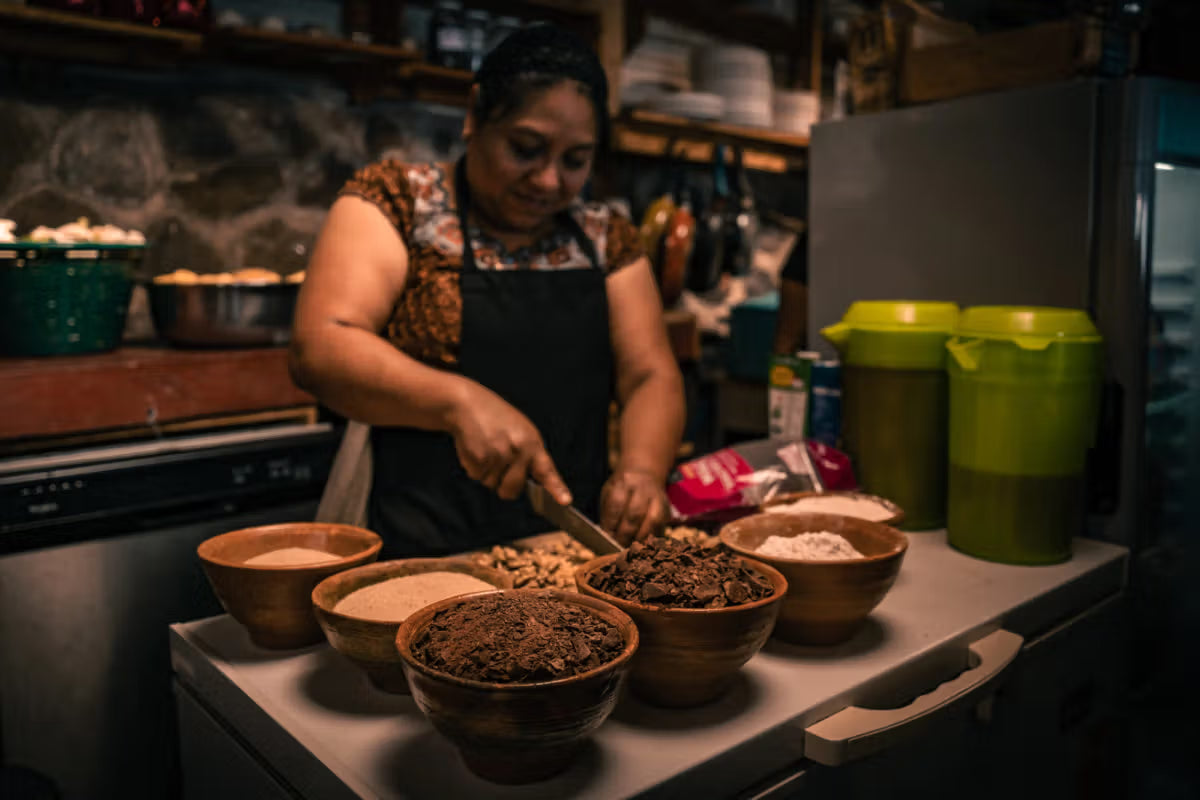
- Transparency about where the cacao comes from
Red flags
- Promises to cure or treat medical or mental-health conditions
- Vague ingredients, “secret blends,” or undisclosed additions
- No health screening and no option for a smaller cup
- Pressure to share, buy, or sign up for more
- Any other substances offered alongside the cacao
What if you feel nothing, or feel a lot?
Feeling little is common. It can depend on the dose, your sleep, your caffeine habits, and how settled you feel in the room. You didn’t do it wrong. Try again in a calmer setting before reaching for a bigger cup; our dosage guide has more on this.
If strong emotions come up, that’s okay too. Breathe, sip some water, and step out for a few minutes if you need to; a good host will welcome that. Afterward, give yourself time to land. Our guide to what to do after a cacao ceremony has simple practices and journaling prompts. If heavy feelings stay with you for days, please talk with a licensed mental-health professional. A ceremony isn’t a substitute for care.
Can’t find one nearby? Start at home
You can create a quiet, intentional experience in your own living room. Our beginner’s guide to preparing a cacao ceremony at home walks through it step by step. An everyday cup is about 21g, or four coins, whisked into hot water. To explore the three Peruvian origins, try High-Amazon Basin (bold and berry-forward), Tropical Desert (brighter and more fruit-forward), or Sacred Valley (warm and earthy).
Common questions
Do I need to fast before a cacao ceremony?
No. Many hosts suggest keeping it light, but fasting isn’t required. If you have blood-sugar concerns or take medication that needs food, eat normally and let the host know.
Is a cacao ceremony religious?
It can be spiritual for some people and simply reflective for others. You don’t need a particular belief to attend, and a good host will make that clear.
How much does a cacao ceremony cost?
Prices vary widely by city, venue, and length. Some gatherings are donation-based, so check the listing and ask what’s included.
Can I go alone?
Absolutely. Many people attend solo, and a circle is an easy place to feel at home.
What’s the difference between a cacao ceremony and a regular cup of cacao?
The cup is the same pure cacao. The difference is the intention and the container: unhurried time, a guided practice, and company. For history and background, see our complete guide to cacao ceremonies.
Keep reading: cacao ceremony music · the best time to drink ceremonial cacao · cacao ceremony for couples
This article is educational and isn’t medical advice. If you have a health condition or take medication, please talk with your healthcare provider before drinking ceremonial cacao.