
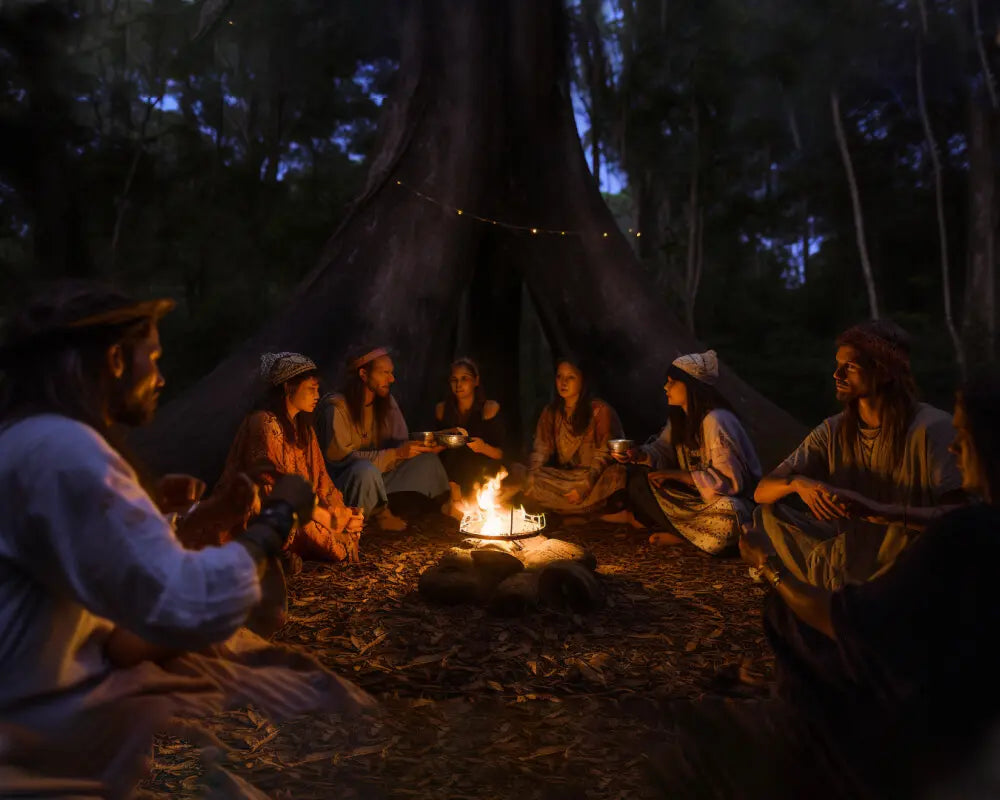
If you’ve been exploring the wellness space recently, you’ve likely heard the term “cacao ceremony” floating around yoga studios, meditation retreats, and holistic communities. But what exactly is it?
Far from your average cup of hot chocolate, ceremonial cacao is a rich, ancient tradition rooted in community, intention, and physical well-being. Whether you are seeking deeper mindfulness, emotional clarity, or simply a healthier alternative to your morning coffee, understanding the roots and practices of a cacao ceremony can completely shift your perspective on this powerful plant.
What It Is
At its core, a cacao ceremony is a mindful, heart-opening ritual that involves drinking ceremonial-grade cacao. Unlike commercially processed chocolate, which is stripped of its natural fats and loaded with refined sugars, ceremonial cacao is pure, minimally processed, and retains the full spectrum of its natural compounds.
The ceremony itself is a dedicated space — often held in a circle — where participants gather to set intentions, meditate, and connect with themselves and others. It is an experiential practice that treats the cacao plant not just as a food source, but as a facilitator for inner work and emotional reflection.
How They Started and Where
The history of cacao ceremonies stretches back over 3,000 years to the indigenous peoples of Mesoamerica. The Olmecs (around 1500 BCE), Mayans, and Aztecs all revered the cacao bean, referring to it as the "food of the gods".
In these ancient cultures, cacao was deeply woven into the spiritual and social fabric. It was used as currency, a medicinal remedy, and a crucial element in religious rites. For the Mayans and Aztecs, cacao was present in virtually every ceremony of importance. It was consumed during marriage ceremonies to symbolize union and fertility, given to warriors for strength before battle, and even placed in tombs to aid the deceased in their journey to the afterlife. The ancient preparation involved roasting, grinding, and mixing the cacao with water, chili, and maize, creating a thick, frothy, and potent beverage.
Modern Cacao Ceremony
When the Spanish brought cacao to Europe, it was sweetened and commercialized into a luxury commodity, and much of its original ritualistic context was lost to the Western world. However, the tradition never died; indigenous communities in regions of Guatemala, Mexico, and Belize preserved cacao’s spiritual significance for centuries.
Today, the modern cacao ceremony has re-emerged within holistic wellness communities. While contemporary ceremonies do not necessarily replicate the exact ancient indigenous rites, they draw inspiration from them. Today's circles combine pure cacao with modern mindfulness practices like meditation, breathwork, sound healing, and journaling. It’s a grounded, contemporary ritual built around a historically remarkable food.
The Purpose of a Cacao Ceremony
The primary purpose of a modern cacao ceremony is to create a safe, intentional space for emotional healing and self-reflection. People attend these gatherings to:
-
Set Intentions: Slow down and focus on personal goals or let go of mental blocks.
-
Open the Heart: Cacao is known in holistic circles as a "heart-opening" medicine, helping participants tap into feelings of compassion, love, and forgiveness.
-
Cultivate Connection: Whether practiced solo or in a group, the ritual fosters a deep sense of connection to oneself and the surrounding community.
Who Can Host a Cacao Ceremony?
Technically, anyone can prepare ceremonial cacao and host a gathering, but the most impactful ceremonies are usually guided by an experienced facilitator. This might be a wellness practitioner, a yoga teacher, a breathwork guide, or someone who has studied the cultural origins and ethical sourcing of cacao.
A good host understands how to hold space for others, honors the indigenous roots of the practice without culturally appropriating them, and knows how to prepare the cacao properly to maximize both its physical and energetic benefits. If you are looking to host one yourself, starting with a solo daily ritual is a beautiful way to build a personal relationship with the plant before guiding others.
What Happens in a Cacao Ceremony?
While every facilitator brings their own unique flavor to the experience, a typical modern ceremony flows through several distinct phases:
-
Opening the Circle: Participants gather, often seated in a circle. The host will usually open the space with a grounding meditation or by acknowledging the origins of the cacao.
-
Serving the Cacao: The warm, thick cacao is poured and passed around. Participants are encouraged to hold their cups, smell the rich aroma, and set a personal intention before taking their first sip.
-
The Practice: Once the cacao is consumed, the facilitator guides the group through an activity. This could be a guided meditation, a sound bath (using singing bowls or drumming), ecstatic dance, or a sharing circle.
-
Closing: The ceremony winds down with a period of reflection or journaling, followed by a final moment of gratitude to close the energetic space.
What Are the Benefits?
The benefits of participating in a cacao ceremony span both the physical and the emotional. Because ceremonial cacao is unadulterated, it retains an incredibly rich nutritional profile.
According to research published by the National Center for Biotechnology Information (NCBI), raw cacao is a nutritional powerhouse:
-
Mood Elevation: Cacao contains theobromine, a gentle cardiovascular stimulant that provides sustained energy without the jittery crash of caffeine. It also prompts the brain to release anandamide (the "bliss molecule"), which promotes feelings of joy and relaxation.
-
Rich in Antioxidants: Cacao is packed with polyphenols and flavonoids, which act as powerful antioxidants that reduce oxidative stress and inflammation in the body.
-
Cardiovascular Health: Studies show that the specific flavonoids in cacao can improve cholesterol levels, lower blood pressure, and support overall heart health.
-
Mental Clarity: The combination of natural compounds and the meditative setting helps clear mental fog, allowing for deep focus and emotional processing.
Recommendation: Cacao Adventures Ceremonial Cacao

To truly experience the benefits of this practice, the quality of your cacao matters immensely. You cannot use standard cocoa powder or commercial chocolate bars, as the heavy processing destroys the active compounds and natural fats (cacao butter) necessary for the experience.
For a truly authentic, potent, and ethically sourced experience, we highly recommend using Cacao Adventures Ceremonial Cacao.
We focus on the integrity of the plant from farm to cup. Our ceremonial-grade cacao is sustainably sourced, honoring the ecosystems and the farmers who cultivate it. By prioritizing minimal processing, our cacao retains its full-bodied flavor, natural cacao butter, and the vital active compounds that make a ceremony so transformative. Whether you are an experienced facilitator hosting a large circle or simply looking to elevate your morning mindfulness routine, Cacao Adventures provides a rich, grounded, and high-quality foundation for your ritual.


