Chocolate lovers, mark your calendars: the Northwest Chocolate Festival returns for its 2026 edition, and if you've never been before, the sheer scale of it can be a little overwhelming. Dozens of makers, hundreds of bars, workshops running back-to-back, and a show floor that smells like a cacao farm crossed with a bakery. Here's how to plan your visit so you get the most out of it — and taste the chocolate that actually matters to you.
When and Where Is the 2026 Festival?
The 2026 festival runs Saturday, October 3rd through Sunday, October 4th, with Saturday hours from 9am to 6pm and Sunday from 9am to 4pm, at the Seattle Center Expo Hall. That's a shift from recent years at the Meydenbauer Center in Bellevue, so if you've attended before, double-check your route — you're headed into Seattle proper this time, right by the Space Needle.
Choosing the Right Ticket
Tickets are sold as single-day passes, weekend passes covering both Saturday and Sunday, and VIP passes. A few things to know before you buy:
- Day pass: The right call if you only have a few hours and want to hit the main show floor, sample from exhibitors, and catch a workshop or two.
- Weekend pass: Worth it if you want to actually absorb the place — go once to scope it out, come back the next day to revisit favorites and attend workshops you missed.
- VIP pass: VIP includes a tote bag, an included bar of chocolate, discounts on festival merch, plus early admission and express entry into the exhibit hall — a real time-saver if you hate lines and want first crack at limited-run bars before they sell out.
Buy in advance. Chocolate festivals like this one tend to sell out popular time slots, and walking up on the day means longer entry lines.
What You'll Actually Find There
The festival brings together over a hundred exhibitors making milk chocolate, dark chocolate, inclusion bars, drinking chocolate, hot cocoa, truffles, bonbons, confections, and caramels. Expect everything from small bean-to-bar makers sourcing single-origin cacao to bigger confectioners doing elaborate bonbon work. Alongside the main show floor, there's a Chocolate Experience Center with hands-on, interactive learning.
A Simple Game Plan for the Show Floor
With this many makers under one roof, a little strategy goes a long way:
- Do a lap first, taste later. Walk the entire floor once before committing to samples. You'll spot the booths with lines forming (usually a good sign) and the ones doing something you haven't seen before.
- Pace your palate. Dark chocolate especially will fatigue your taste buds fast. Sip water between tastings, and if you can, nibble something neutral like plain crackers to reset.
- Bring a small notebook or use your phone. With dozens of makers, you will not remember which bar you loved by the time you're at the register. Jot down names as you go.
- Check the stage schedule when you arrive. Workshop and demo lineups are typically confirmed closer to the event — grab a schedule at the door or check the festival's site the morning of, and plan your day around one or two sessions you don't want to miss rather than trying to catch everything.
- Go hungry, but not starving. A little food in your stomach before you arrive keeps sugar and cacao from hitting too hard on an empty stomach.
Don't Skip the Origin Stories
One of the best parts of this festival isn't just the tasting — it's the chance to talk directly to the people behind the chocolate. Many booths are staffed by the makers themselves or by teams who work closely with the cacao-growing regions their chocolate comes from. Ask questions. Where's the cacao from? How was it fermented? What's the percentage, and why did they land on it? You'll walk away with a much better sense of why a 68% bar from one region tastes completely different from a 68% bar somewhere else.
Come Say Hi to Cacao Adventures
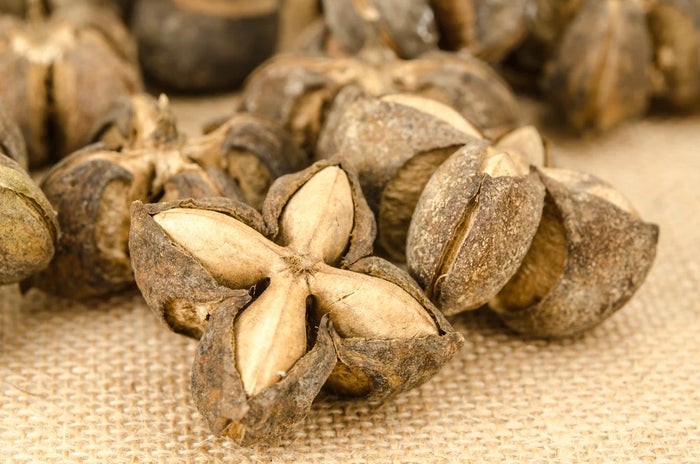
We'd love for you to stop by our booth this year — it's where our whole new bean-to-bar lineup makes its official debut. We're launching seven new bars at the festival, and every one of them is made without refined sugar, sweetened only with coconut sugar. Instead, the flavor comes from ingredients that grow right alongside our cacao in Peru: lucuma, sacha inchi, ají panca, popped quinoa, and Maras salt.
The lineup includes four new flavored bars — Lucuma, Sacha Inchi, Ají Panca, and Popped Quinoa — alongside three new single-origin bars: a 68% Piura (Tropical Desert), a 77% Cusco (Sacred Valley), and an 85% High-Amazon Basin. If you want to taste where they all come from, don't miss our VR experience at the booth: it takes you straight from the festival floor to the cacao farms of the Peruvian Amazon, the same region where these ingredients actually grow. Come find us, try a bar, and see the place it started.
Practical Logistics
- Arrive early, especially on Saturday. The first hour tends to be the calmest before crowds build.
- Wear comfortable shoes. You'll be on your feet, walking a large hall, for hours.
- Bring a reusable bag for the bars, samples, and swag you'll inevitably pick up.
- Plan your transit or parking ahead of time. Seattle Center sits near multiple parking garages and is well served by public transit and the monorail from downtown — worth checking current options as the date gets closer, since availability shifts year to year.
- If you're 21+ and there's a wine or beverage pairing area, budget extra time; those lines move slower than the tasting booths.
Final Tip: Don't Try to Taste Everything
With well over a hundred exhibitors, the instinct is to sample from every single one. Resist it. You'll enjoy the day more — and remember more of it — if you pick a handful of makers whose story or ingredients genuinely interest you, spend real time talking to them, and let the rest be a happy blur of chocolate you'll discover next year.