Say "chili pepper" and most people brace for heat. Ají panca breaks that rule. This deep burgundy pepper, a staple of Peruvian cooking for centuries, brings smoky, berry-like depth to dishes with barely a whisper of spice — which is exactly why it works so well with chocolate.
What Is Ají Panca?
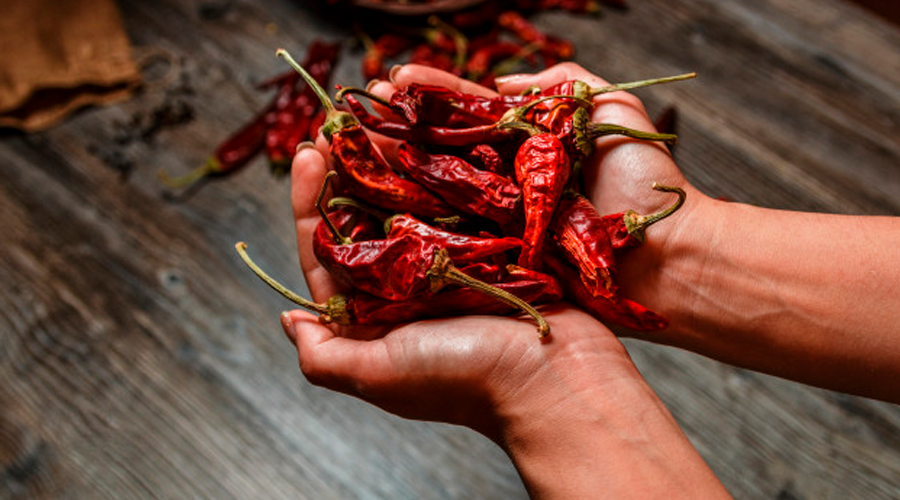
Ají panca (Capsicum chinense) is a pepper variety native to the coast of Peru, celebrated as one of the country's defining flavors alongside its hotter cousin, ají amarillo. It's grown, hand-harvested once ripe, and traditionally laid out in the sun to dry until the pods shrink into the deep red-brown, wrinkled shape most cooks recognize. That drying process is what concentrates its signature earthy, fruity flavor and color.
Peru takes its ají varieties seriously enough to have its own national holiday, Día del Ají, celebrating the more than 300 native chili varieties the country's Ministry of Agriculture recognizes — with ají panca among the most widely used.
What Does Ají Panca Taste Like?
Once rehydrated or ground, ají panca has an earthy, smoky, subtly fruity flavor, often compared to dried berries or raisins, with a gentle warmth rather than sharp heat. Measuring only around 500–1,500 Scoville Heat Units, it's milder than a jalapeño. It's the backbone flavor behind Peruvian anticuchos and countless slow-cooked stews and marinades, prized for adding color and depth without overwhelming a dish.
What the Research Says
Because ají panca is dried and deeply red, much of its nutritional interest comes from carotenoids — the same pigments responsible for its color. Research on dried Capsicum peppers has found that carotenoid-rich pepper extracts show meaningful antioxidant and anti-inflammatory activity in laboratory studies, alongside contributing vitamin C, potassium, and iron to the diet.
Even though ají panca carries only a fraction of the capsaicin found in hotter chilies, capsaicin itself has become a well-studied compound. A review hosted by the U.S. National Library of Medicine notes that diets higher in chili peppers are associated with reduced cardiovascular mortality risk, an effect researchers partly attribute to how capsaicin interacts with the gut microbiome. Ají panca's contribution to that effect is milder than a habanero's, but it still carries a trace of that same compound family.
Where Ají Panca Is Grown
Ají panca is grown almost exclusively along the coast and valleys of Peru, where warm days and cooler nights let the pepper mature slowly before it's hand-harvested and laid out to dry in the sun — the same traditional method Peruvian farms have used for generations.
Ají Panca in Our Chocolate

We use ají panca and a touch of salt in our 70% Dark Chocolate Bar with Ají Panca Chili & Salt, built on our High-Amazon Basin cacao. The pepper's smoky, fruity undertone plays surprisingly well against dark chocolate's own bitterness, adding depth rather than heat — a pairing Peru's own kitchens had already perfected, just not with chocolate yet.