Coffee drinkers have long accepted that beans from Ethiopia taste different from beans grown in Guatemala. Wine drinkers built an entire vocabulary around terroir — the idea that soil, climate, and altitude shape a grape’s flavor. Single-origin chocolate is only more recently catching up to the same idea in mainstream conversation, even though cacao is subject to exactly the same principle.
What “single origin” actually means
A single-origin chocolate bar is made from cacao sourced from one specific place — ideally a single farm, cooperative, or clearly defined micro-region — rather than a mix of cacao from multiple countries or continents. The narrower and more specific the stated origin (a named valley or cooperative, rather than just “Peru” or “Ecuador”), the more meaningfully “single origin” reflects an actual, distinct growing environment rather than a broad national label.
What “blended” chocolate means
Blended chocolate combines cacao from multiple origins — sometimes multiple countries — into one recipe. This is standard practice for most commercial chocolate, and it’s not inherently a negative: blending is a legitimate technique used to balance flavor, manage cost, and most importantly, maintain consistency across enormous production volumes where any single origin’s harvest variation would otherwise show up in the final product.
Why origin actually changes flavor
Cacao is genetically diverse, and its flavor is shaped by the same variables that affect any agricultural crop: soil composition, elevation, rainfall, shade cover, and the specific genetic variety grown in that location.
Beans from the same species grown in different regions can express noticeably different flavor characteristics — some leaning toward bright red fruit and citrus, others toward deep earthy or woody notes, others toward floral or nutty profiles. This is on top of the flavor impact of fermentation and roasting discussed elsewhere in this series; origin sets the raw material’s potential, and processing either preserves or obscures it.
Peruvian cacao, for example, is grown across dramatically different micro-climates within one country — from lowland Amazon basin regions to high-altitude Andean valleys — and cacao from these different Peruvian micro-origins can taste meaningfully different from each other, not just from cacao grown in other countries entirely.
Which one should you actually buy?
Neither is objectively better — they’re built for different goals. Blended chocolate is the right tool when the priority is a consistent, familiar flavor batch after batch, which is exactly why most large commercial brands rely on it. Single-origin chocolate is the right tool when the priority is tasting what a specific place actually produces, with all the batch-to-batch variation that implies — similar to how a wine’s vintage can shift year to year even from the same vineyard.
If you’re genuinely curious about the flavor differences origin can create, the most direct way to find out is a side-by-side tasting of two or three single-origin bars from different regions at a similar cacao percentage, so the variable you’re comparing is actually origin — not sugar content or roast level.
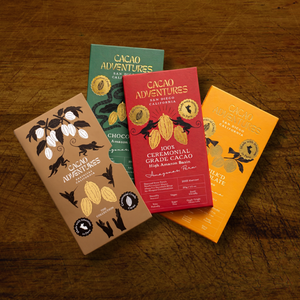
That kind of comparison is exactly what a well-built tasting flight or sampler is designed for, which we cover in more detail later in this series. Our Cacao Adventures Chocolate Collection sampler takes a slightly different approach to the same idea — three bars, one single Peruvian origin, moving across 53%, 70%, and 100% cacao — so instead of comparing origin, you’re isolating what percentage alone does to flavor.
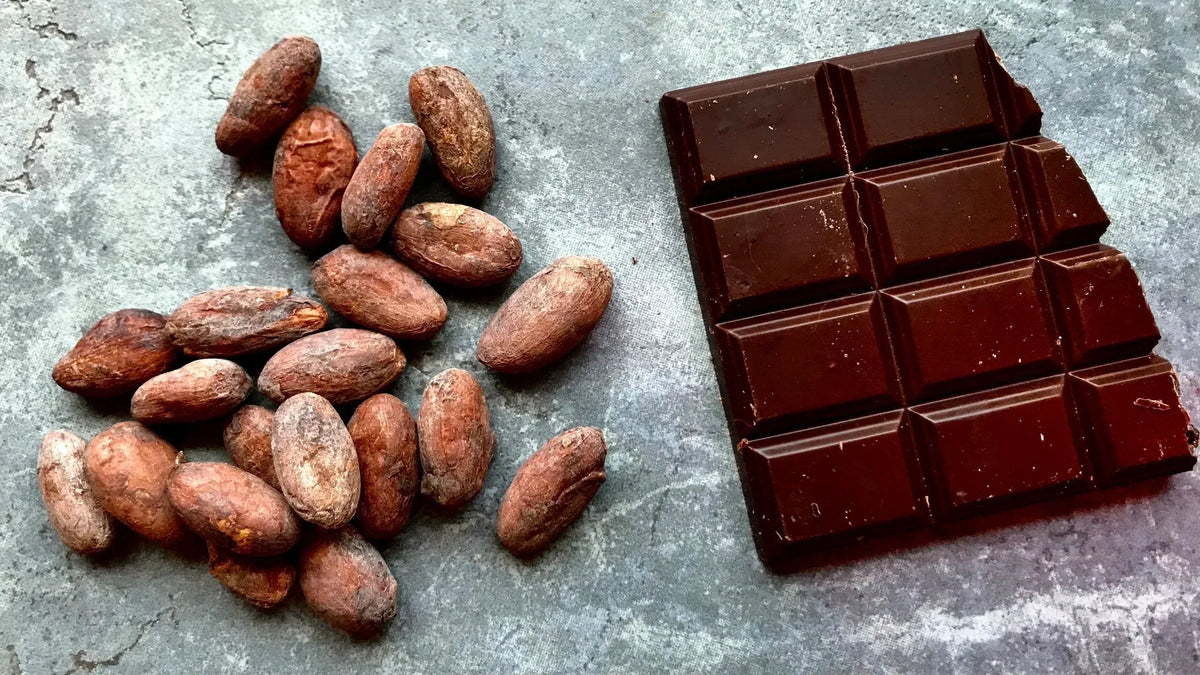
When most of chocolate makers just buy nibs, we go after the best beans. We choose beans — whole, unprocessed cacao purchased directly from Amazon communities — because it's the only way to control quality and flavor from the very first step. Skipping the middlemen who typically hull and crack the beans before they reach a chocolate maker means we're not just doing bean to bar. We're doing farm to bar, from the source itself.
The bottom line

“Single origin” isn’t a quality guarantee on its own — a poorly fermented, poorly roasted single-origin bar can still taste flat. But when the underlying cacao is good and it’s handled with care, origin is one of the most reliable sources of genuine flavor variety in chocolate, in exactly the same way it is in coffee and wine.