The growing global interest in natural superfoods has placed cacao at the center of nutritional discussions, and brands such as Cacao Adventures have played a key role in promoting the benefits of authentic ceremonial-grade cacao. From its origins in ancient Mesoamerican cultures to its modern reputation as a nutrient-dense superfood, cacao has become widely recognized for its remarkable nutritional value and health-supporting compounds. When we examine cacao nutrition facts, we discover that this powerful plant food offers an impressive combination of antioxidants, minerals, and bioactive compounds that support overall well-being.
In this guide, we explore in depth whether cacao is good for you, analyzing its nutritional composition, health benefits, and how it compares with processed chocolate products.
What is Cacao? Understanding its natural form
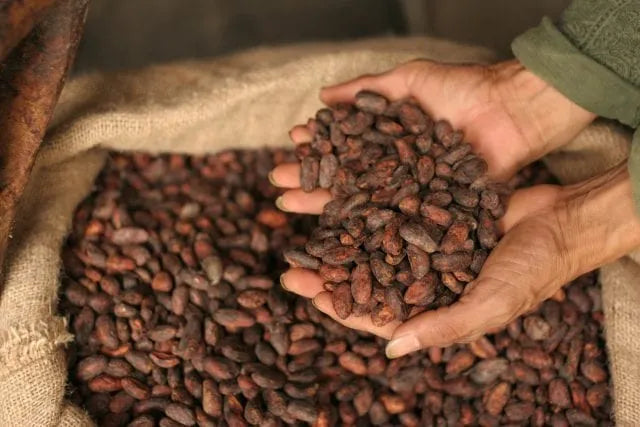
Cacao refers to the raw or minimally processed beans harvested from the Theobroma cacao tree, a tropical plant native to Central and South America. The name Theobroma literally means “food of the gods,” reflecting its historical importance in ancient civilizations such as the Maya and Aztecs.
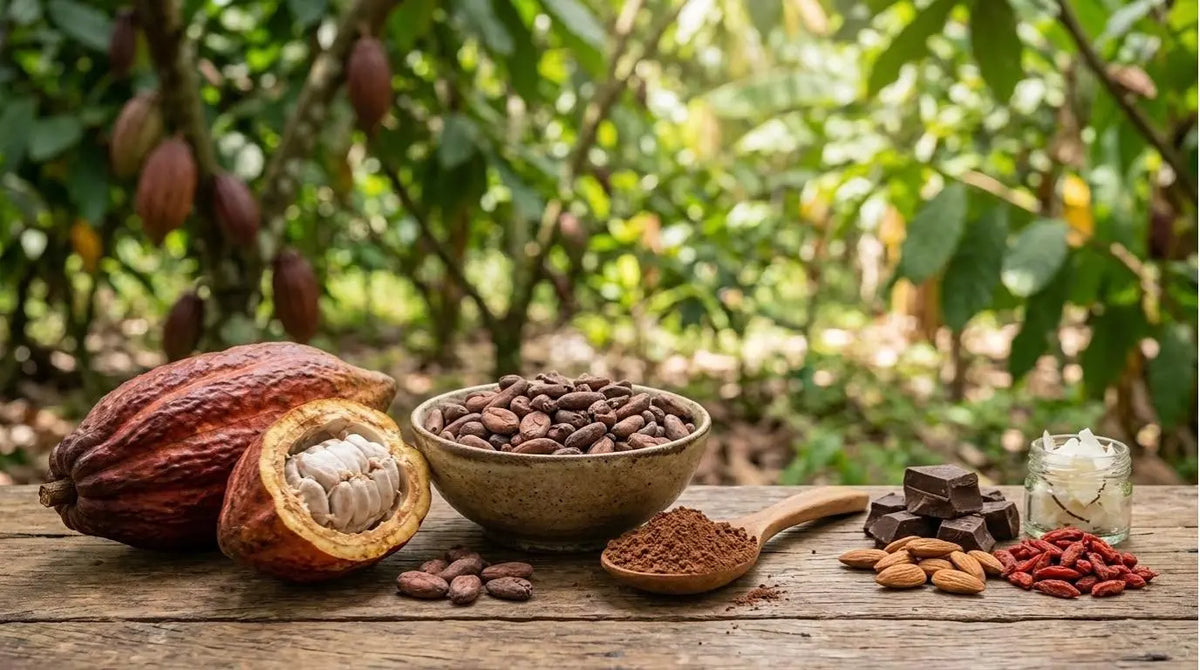
Unlike conventional chocolate, which often undergoes heavy processing and contains added sugar and dairy, raw cacao preserves the natural nutrients found in the cacao bean. Common forms of cacao include:
- Cacao nibs
- Cacao powder
- Cacao paste
- Ceremonial cacao
These forms retain a higher concentration of flavonoids, minerals, and beneficial compounds, making them nutritionally superior to most commercial chocolate products.
Cacao nutrition facts
One of the main reasons cacao is considered a superfood lies in its extraordinary nutritional profile. A typical serving of raw cacao powder (approximately 28 grams) contains a variety of important nutrients that support the body’s systems.
Macronutrients
- Calories: ~120 kcal
- Protein: 4 grams
- Healthy fats: 7 grams
- Dietary fiber: 9 grams
-
Carbohydrates: 13 grams
Cacao’s high fiber content contributes to digestive health and promotes satiety.
Essential minerals
Cacao is one of the richest plant-based sources of several essential minerals, including:
- Magnesium – supports muscle function, nerve health, and energy production
- Iron – essential for oxygen transport in the blood
- Potassium – helps regulate blood pressure
- Calcium – contributes to bone health
-
Zinc – supports immune function
Notably, cacao contains more magnesium per gram than most other plant foods, making it valuable for individuals seeking to support metabolic and cardiovascular health.
Cacao’s powerful antioxidant profile
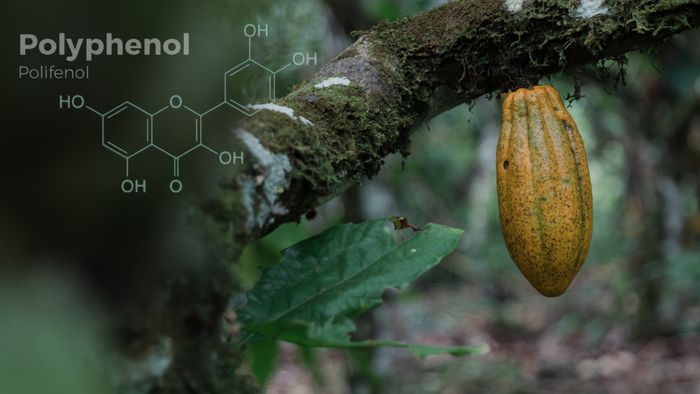
One of the most remarkable aspects of cacao nutrition is its extremely high antioxidant content. Raw cacao contains large amounts of polyphenols and flavonoids, compounds known for their ability to combat oxidative stress.
Oxidative stress occurs when free radicals accumulate in the body, potentially damaging cells and contributing to chronic conditions. The flavanols in cacao, particularly epicatechin and catechin, help neutralize these harmful molecules.
Research consistently demonstrates that cacao ranks among the highest antioxidant foods, often surpassing blueberries, green tea, and red wine in total antioxidant capacity.
Is cacao good for you? Health benefits explained
1. Supports Heart Health
The flavonoids found in cacao have been widely studied for their role in cardiovascular health. These compounds support the body by:
- Promoting healthy blood circulation
- Supporting normal blood pressure levels
-
Enhancing endothelial function in blood vessels
Regular consumption of cacao-rich foods has been associated with improved vascular flexibility and better blood flow.
2. Enhances mood and mental well-being
Cacao naturally contains several compounds linked to mood regulation and cognitive function, including:
- Theobromine
- Phenylethylamine (PEA)
- Tryptophan
These compounds stimulate the production of neurotransmitters such as serotonin and dopamine, which are associated with feelings of happiness and emotional balance.
This is one of the reasons cacao has historically been used in ceremonial and spiritual traditions, where it was believed to promote emotional openness and clarity.
3. Improves brain function
Flavonoids in cacao also contribute to cognitive performance. Studies suggest these compounds may support:
- Improved memory and learning
- Enhanced focus and mental clarity
- Better blood flow to the brain
Regular intake of cacao flavanols has been associated with improved neurovascular function, which helps maintain optimal brain health over time.
4. Promotes healthy skin
Cacao’s antioxidant compounds may also support skin health by protecting cells from oxidative damage caused by environmental stressors such as UV radiation and pollution.
Benefits for skin may include:
- Improved skin hydration
- Increased elasticity
-
Enhanced microcirculation
These effects contribute to a healthier, more radiant appearance.
5. Supports gut health
Cacao contains prebiotic fiber, which helps nourish beneficial bacteria in the digestive system. A healthy gut microbiome plays an important role in:
- Digestion
- Immune function
- Metabolic health
By supporting beneficial gut bacteria, cacao contributes to overall digestive balance.
Cacao vs Cocoa vs Ceremonial Cacao
Many people confuse cacao and cocoa, but these products differ significantly in their nutritional value, processing methods, and overall health benefits. Additionally, ceremonial cacao represents a distinct category that preserves the cacao bean in its most traditional and nutrient-rich form. Understanding the differences between these three forms helps identify which option provides the greatest nutritional and functional benefits.
|
Feature |
Cacao |
Cocoa |
Ceremonial Cacao |
|
Processing |
Minimal processing, often cold-pressed |
High heat processing and roasting |
Minimal processing using whole cacao paste |
|
Nutrients |
Mostly preserved |
Significantly reduced due to heat |
Fully preserved in the whole bean |
|
Antioxidants |
Very high |
Lower due to processing |
Extremely high |
|
Flavor |
Bitter, rich, earthy |
Milder and smoother |
Deep, intense, full-bodied |
|
Form |
Powder, nibs, butter |
Powder commonly used in baking |
Solid paste or blocks for beverages |
|
Traditional Use |
Modern superfood ingredient |
Culinary ingredient |
Used in traditional and ceremonial cacao drinks |
How to add Cacao to your daily diet
Incorporating cacao into a balanced diet is easy and versatile. Popular ways to enjoy cacao include:
Cacao smoothies
Blend cacao powder with:
- Bananas
- Almond milk
- Dates
-
Nut butter
This combination creates a nutrient-dense smoothie rich in antioxidants and healthy fats.
Cacao nibs as a topping
Cacao nibs provide a crunchy texture and intense chocolate flavor when added to:
- Yogurt bowls
- Oatmeal
- Granola
-
Smoothie bowls
Ceremonial cacao drinks
Traditional cacao beverages combine cacao paste with warm water and spices, creating a rich and nourishing drink rooted in ancient traditions.
Potential considerations when consuming cacao
Although cacao offers numerous benefits, moderation remains important. Raw cacao contains natural stimulants such as theobromine, which can produce mild energizing effects.
Individuals sensitive to stimulants may prefer smaller servings, especially in the evening.
Additionally, choosing high-quality cacao sources is essential to ensure purity and avoid unnecessary additives.
Why quality matters when choosing cacao
Not all cacao products are created equal. Many commercial chocolate products contain:
- Added sugars
- Artificial flavorings
-
Low cacao content
In contrast, premium cacao sourced responsibly retains the full spectrum of natural nutrients and antioxidants.
Brands focused on authentic cacao traditions prioritize:
- Ethical sourcing
- Minimal processing
- High cacao purity
These factors significantly influence both nutritional value and flavor quality.
Final thoughts: Is cacao good for you?
Understanding cacao nutrition facts reveals why this ancient superfood continues to gain recognition around the world. Rich in powerful antioxidants, essential minerals, and mood-supporting compounds, cacao offers a unique combination of nutritional benefits that support heart health, cognitive function, digestive balance, and overall wellness. When consumed in its pure and minimally processed form, cacao becomes far more than a flavorful ingredient—it becomes a natural ally for a healthier lifestyle.
However, the key to experiencing the full benefits of cacao lies in choosing high-quality sources that preserve the integrity of the cacao bean. Authentic ceremonial cacao retains the natural fats, flavonoids, and micronutrients that are often lost in heavily processed chocolate products. This traditional preparation maintains the richness of the cacao’s nutritional profile while delivering a deeper, more authentic flavor experience.
For those looking to experience cacao in its most nutrient-dense and traditional form, Cacao Adventures offers a curated selection of premium ceremonial cacao products sourced with quality and authenticity in mind. Their ceremonial cacao is crafted to preserve the natural essence of the cacao bean, making it ideal for nourishing cacao drinks, mindful rituals, or simply enjoying the pure taste of one of nature’s most remarkable superfoods.
If you want to discover the true power of cacao and experience its rich flavor, natural energy, and nutritional benefits, explore the ceremonial cacao offerings from Cacao Adventures and bring the ancient tradition of cacao into your daily wellness routine.