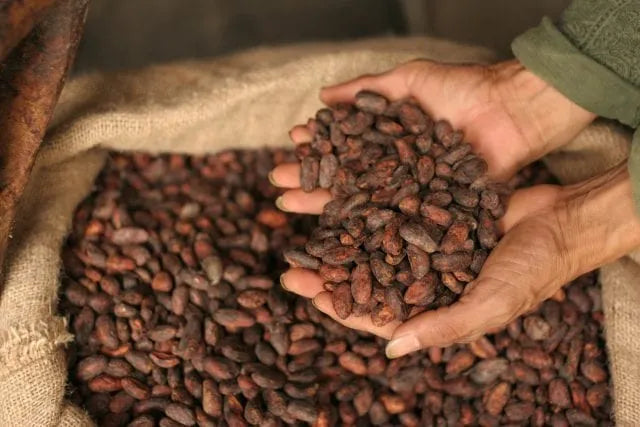
In the world of specialty botanical products, few names carry as much weight as Theobroma cacao beans. Literally translated from Greek as "food of the gods," these beans are the raw foundation of everything we love about chocolate. But for the purist, the baker, or the health-conscious consumer, the true value lies in the unprocessed bean itself.
Understanding what makes a high-quality cacao bean has everything to do with it's origin and the meticulous journey from the pod to your pantry.
What Exactly Is Theobroma Cacao?
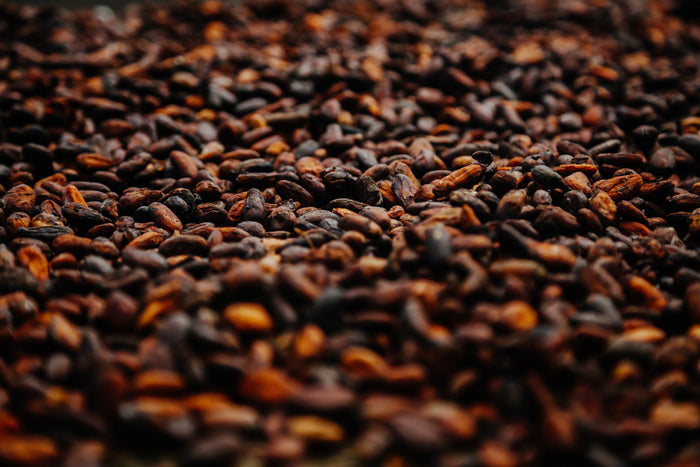
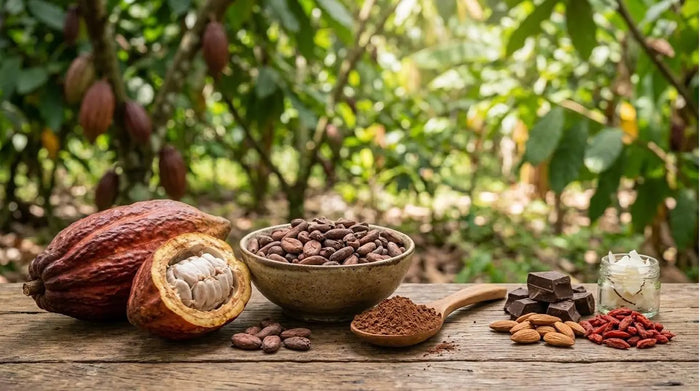
While many are familiar with cocoa powder, the Theobroma cacao L bean is the purest form of that flavor profile. These seeds are harvested from the cacao fruit, fermented to develop complex aromatic compounds, and then dried. No chemical industrial processes involved.
Breaking down the scientifically correct latin name:- Theobroma is the Genus
- Cacao is the species
- L. Is for Carl Linnaeus who classified the species

Why Quality Matters
When you opt for premium beans over mass-produced alternatives, you aren't just buying an ingredient; you’re investing in a specific chemical and sensory profile. High-quality beans offer:
-
Complex Flavor Notes: Hints of red fruit, tobacco, or jasmine, depending on the terroir.
-
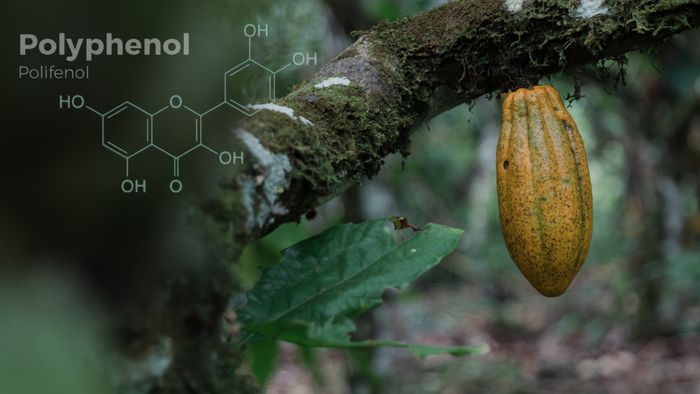
Nutrient Density: High concentrations of flavonoids and magnesium.
-
Versatility: Ideal for home roasting, nibbing, or artisanal chocolate making.
Expert Tip: If you're looking to elevate your culinary repertoire, starting with the raw bean is the only way to ensure total control over the roast and texture of your final creation.
Identifying Premium Cacao: What to Look For
Not all beans are created equal. To ensure you’re getting the best possible experience, look for these three markers of quality:
| Feature | What it Tells You |
|---|---|
| Uniformity | Evenly sized beans ensure a consistent roast. |
| Fermentation Level | Proper fermentation (look for a "brown break" inside) ensures low bitterness. |
| Aroma | It should smell earthy and floral, never musty or smoky. |
We take pride in sourcing beans that meet these rigorous standards. By working directly with estates that prioritize fermentation science, we bring you a product that stands apart from "commodity" grade cacao.
From Bean to Table: How to Use Them
If you’ve never handled whole cacao beans before, the process is surprisingly rewarding.
-
The Crack and Winnow: Gently crush the beans to remove the husks, leaving you with crunchy, flavorful cacao nibs.
-
The Grind: Use a high-speed blender or a dedicated melanger to turn those nibs into a smooth, liquid chocolate liquor.
Why Buy From Cacao Adventures?
Our Theobroma cacao beans are selected for their distinct regional characteristics.
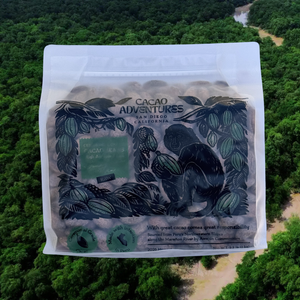
Our beans and come from the High Amazon Basin, where cacao grows among diverse forest species rather than in clear‑cut plantations. This single‑origin cacao reflects the landscape it comes from – humid forests, old growth canopies, and communities who have worked with cacao for generations. We partner directly with small growers and community collectives, focusing on long‑term relationships instead of one‑time purchases. Together we prioritize careful harvest, fair pricing, and post‑harvest practices that protect both the forest and the true character of High Amazon cacao – in both whole beans and ready‑to‑use nibs. On top of that, every batch is scrutinized by rigorous third-party lab tests for heavy metals.Ready to start your own cacao journey? Explore our Cacao Adventures beans and taste the difference that heritage-grade beans make.
Absolutely. Let’s expand the article to give it more "meat" for the reader and more "signals" for search engines. Adding these sections helps capture users searching for DIY guides and flavor comparisons.
Here are the two new sections, written to plug right into the middle of your existing draft.
The Flavor Spectrum: Understanding Terroir
Much like fine wine or specialty coffee, Theobroma cacao is a product of its environment. The soil, humidity, and surrounding flora—known as terroir—imprint unique notes onto every bean. When you taste our cacao, you aren't just tasting "chocolate"; you are tasting a geographic map.
-
Floral & Fruity: Often found in Peruvian or Ecuadorian beans, offering notes of jasmine, citrus, or even green apple.
-
Earthy & Nutty: Characteristic of many West African origins, providing a robust, "classic" chocolate base with hints of roasted walnuts.
-
Spiced & Woody: Some Central American varieties carry natural undertones of cinnamon, tobacco, or cedar.
By understanding these profiles, you can choose the specific bean that complements your project, whether it's a bright, acidic dark chocolate bar or a rich, creamy truffle.
From Cacao Bean to Bar: Making Chocolate at Home
While professional chocolate makers use massive steel refiners, you can achieve impressive results in your own kitchen. Making chocolate from the whole bean is a slow, sensory process that rewards patience.
1. The Winnowing
After roasting, you must separate the "nib" (the part we eat) from the "husk" (the paper-like shell). Simply crack the beans gently and use a hair dryer on a cool setting to blow away the lighter husks, leaving the heavy, flavorful nibs behind.
2. The Initial Grind
Pulse your nibs in a high-powered blender or food processor. The heat from the friction will begin to melt the cacao butter (the natural fat inside the bean), turning the dry nibs into a thick, gritty paste known as chocolate liquor.
3. Refining and Sweetening
For a truly smooth texture, you’ll want to add your sugar and any milk powders at this stage. If you have a stone melanger, let it run for 12–24 hours. If not, continuing to process in small bursts can work, though the texture will remain slightly rustic.
4. Tempering for the Snap
To get that professional "snap" and a glossy finish, you must temper your chocolate. This involves carefully melting and cooling the chocolate to specific temperatures—usually peaking at 46°C and cooling to 28-29°C—to stabilize the crystals.
Frequently Asked Questions
Are cacao beans the same as cocoa beans?
Technically, yes. However, "cacao" usually refers to the raw, unroasted bean, while "cocoa" is the term used after the bean has been processed and roasted at high temperatures.
How should I store my beans?
Keep them in a cool, dark place in an airtight container. When stored correctly, whole cacao beans can maintain their peak flavor for up to a year.