If you’ve ever searched for "chocolate beans," you might have noticed a bit of confusion online. Are they the crunchy, chocolate-covered coffee beans you eat as a snack? Or are they the raw ingredients harvested from a tropical tree that eventually become a chocolate bar?
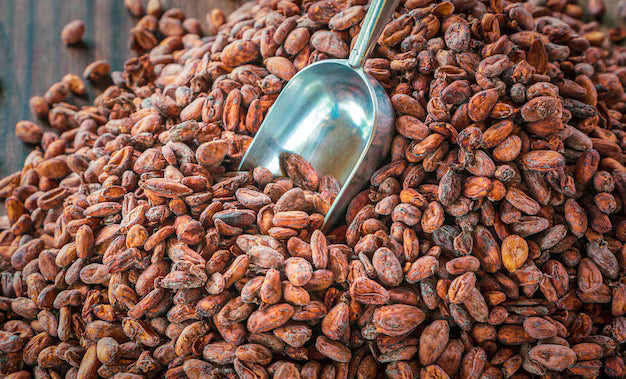
While chocolate-covered coffee beans are delicious, the true definition of a "chocolate bean" is the cacao bean: the seed of the Theobroma cacao tree.
Understanding where these beans come from, how they are processed, and how to identify quality makes all the difference if you are looking for authentic flavor. Here is a look at what chocolate beans actually are and why quality matters.
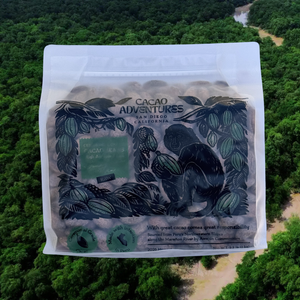
If you're just looking to buy cacao beans, check the image below.

From Pod to Bean: The Basics
Chocolate beans don't start out tasting like a chocolate bar. They grow inside large, colorful pods on the cacao tree. Inside each pod, you’ll find 20 to 50 seeds embedded in a sweet, white pulp.
The journey from a raw seed to a rich chocolate bean involves a few crucial steps:
-
Harvesting: Pods are carefully cut from the trees by hand to avoid damaging the plant.
-
Fermentation: This is where the magic happens. The seeds and pulp are scooped out and left to ferment for several days. This process develops the complex flavor precursors that we recognize as "chocolatey."
-
Drying: After fermentation, the beans are spread out under the sun to dry, reducing their moisture content so they can be safely shipped and stored.
Once dried, these beans are roasted, cracked open to extract the "nibs," and ground down to create the chocolate products we love.
The Role of Origin: How Geography Shapes Flavor
Just like coffee beans or wine grapes, chocolate beans are a product of their environment. The altitude, rainfall, and soil (also known as terroir) give beans from different regions entirely unique personalities.
To see how much geography changes the flavor of a chocolate bean, look at three distinct microclimates across Peru:
1. High-Amazon Basin (Amazonas, Peru)
Grown near the Marañón River, beans from this region offer a classic, approachable, and robust chocolate profile. They feature bold berry notes, deep chocolate undertones, and delicate floral accents. If you are looking for a grounding, deeply comforting chocolate bean with a rich traditional flavor, the High-Amazon basin is the gold standard.
2. Tropical Desert (Morropón, Piura)
Cacao typically requires dense, humid rainforests to thrive, which makes the beans from Peru’s Sechura Desert incredibly rare. This unique environment produces a rare white cacao bean. The flavor profile here completely subverts expectations: it is bright and fruit-forward, with distinct notes of passion fruit, mango, and a hint of citrus.
3. Sacred Valley (Quillabamba, Cusco)
Cultivated in the Urubamba Valley, beans from this region come from the rare heirloom Chuncho variety, carrying centuries of agricultural tradition. These beans offer a warm, deeply earthy profile characterized by notes of cinnamon, roasted nuts, and a gentle floral finish. It is a complex, nuanced bean highly sought after by those looking for depth.
How to Identify High-Quality Chocolate Beans
If you are purchasing whole cacao beans to roast at home, or if you're looking for chocolate made from superior beans, look for these quality indicators:
1. Uniformity in Size and Shape
When beans are uniform in size, they roast evenly. If a batch contains a mix of tiny seeds and massive beans, the small ones will burn while the large ones remain under-roasted, leading to a bitter, inconsistent flavor.
2. A Clean, Complex Aroma
High-quality dried beans should smell earthy, slightly fruity, and deeply rich. If they smell intensely smoky, moldy, or like vinegar, it means something went wrong during the drying or fermentation process.
3. Ethical and Traceable Sourcing
The best chocolate beans rarely come from anonymous mass-supply chains. Look for brands that highlight single-origin beans or direct-trade practices. When a chocolate maker can tell you the exact region—or even the specific farm—the beans came from, it’s usually a sign that care was taken at every step of the harvest.
What Can You Make with Chocolate Beans at Home?
If you have a bag of high-quality, whole chocolate beans (or as we learned, cacao beans) sitting in your pantry, you aren't just holding a snack. You’re holding the raw foundation for dozens of kitchen creations. Because premium beans are minimally processed, they retain their natural fats, antioxidants, and complex flavor profiles.
Here are a few simple ways to use them at home:
Eat Them Whole
The simplest way to enjoy them is straight out of the bag. They have a rich, complex, and slightly bitter flavor with a satisfying, nutty crunch, perfect for a quick afternoon pick-me-up.
Make Home-Ground Cacao Paste
You can lightly toast the beans in a skillet, crack off the thin outer husks, and toss the inner "nibs" into a high-powered blender or food processor. Blend until the natural cacao butter releases, turning the beans into a smooth, liquid paste. Pour it into molds, let it cool, and you have your own 100% pure ceremonial cacao blocks.
Elevate Your Breakfast
Crush the beans into small bits (nibs) and use them as a textured topping for smoothie bowls, oatmeal, yogurt, or even baked goods like banana bread. They add a deep chocolate crunch without the added sugar of commercial chocolate chips.
How to Store Chocolate Beans to Keep Them Fresh
Because high-quality chocolate beans are natural and minimally processed, they don't contain any artificial preservatives. However, because they are naturally low in moisture and rich in stable cacao butter, they can last for a remarkably long time if you follow a few basic storage rules:
Keep It Cool and Dry
The ultimate enemies of cacao are moisture and extreme heat. Store your beans in a cool, dry place like a pantry or cupboard. Aim for a temperature between 60°F and 70°F (15°C to 21°C).
Use an Airtight Container
Once you open the bag, transfer your beans to an airtight glass jar or a resealable pouch. This keeps environmental moisture out and prevents the beans from absorbing competing aromas from your kitchen (like spices or coffee).
Avoid the Fridge
It’s tempting to throw them in the refrigerator, but the humidity inside can cause condensation to form on the beans. This can ruin the texture and even lead to mold.
Keep Them in the Dark
Direct sunlight can cause the temperature inside your container to rise, which can sweat out the precious cacao butter. Keep them tucked away in a dark cupboard.
When stored properly in a sealed container, whole chocolate beans can easily stay fresh, flavorful, and nutrient-dense for up to a year or more.
The Bottom Line
At the end of the day, great chocolate is entirely dependent on the quality of the bean. By focusing on properly fermented, carefully sorted, and responsibly sourced cacao, you get a final product that doesn't need artificial flavorings or excessive sugar to taste good.
Buy cacao beans