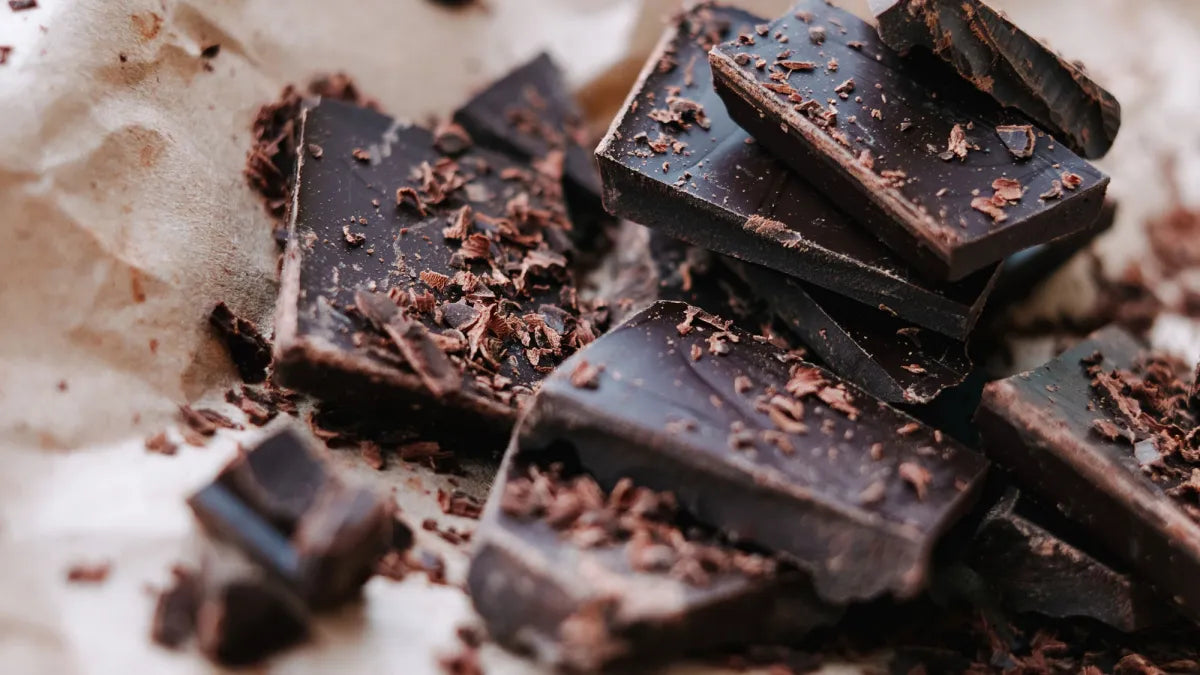
For many, reaching for a dark cocoa bar is a daily ritual. Whether it’s paired with a coffee break, enjoyed as an afternoon pick-me-up, or savored slowly after dinner, dark chocolate has evolved from a simple sweet treat into a sophisticated ritual.
As the consumption of dark chocolate grows in a journey to improve better health and get flavanols benefits, the market obviously flooded with options claiming to be "pure," "organic," or "artisanal," and now choosing the right dark cocoa bar can feel surprisingly complicated.
Not all dark chocolate is created equal. To help you navigate the aisles (or online shops), here is a look at what actually goes into a high-quality chocolate bar and how to spot a genuinely well-crafted product.
Cacao vs. Cocoa: What’s the Difference?

Before diving into how to choose a bar specifically, it helps to clear up a common point of confusion. While they look and sound incredibly similar, cacao and cocoa represent two very different stages of the same bean.
-
Cacao (The Raw, Pure Plant): Generally speaking, "cacao" (as in Cacao Adventures) refers to the bean in its most natural, minimally processed state. When a dark cocoa bar emphasizes cacao, it usually means the beans were fermented and dried, but either left unroasted or gently roasted at low temperatures. This preserves the bean’s complex, raw flavor notes and keeps its high concentration of antioxidants and minerals intact.
-
Cocoa (The Heated, Altered State): "Cocoa" is what happens when the beans are roasted at much higher temperatures. While this high-heat processing creates that familiar, classic "chocolatey" aroma we all grew up with, it also cooks away many of the delicate, nuanced flavors unique to the bean’s origin, as well as some of its nutritional benefits.
In short: Cacao is closer to nature; cocoa is closer to a commercial kitchen. Many premium brands will use the term "dark cocoa bar" to match what people commonly search for, but the true mark of quality is whether the chocolate inside still honors the integrity of the original cacao bean.
Check out Cacao Adventures' bars page
How to chose a good bar
1. Check the Ingredient List (Less is More)
The simplest way to judge the quality of a dark cocoa bar is to flip it over and read the ingredients. High-quality dark chocolate requires very little to taste incredible.
-
What you want to see: Cacao (often listed as cacao liquor, cocoa mass, or cacao nibs), cocoa butter, and a sweetener like organic cane sugar or fruit-based sweeteners.
-
What to avoid: Emulsifiers (like soy lecithin), artificial flavorings (like vanillin), and hydrogenated oils.
When chocolate is made from superior beans, makers don't need to mask the flavor with excessive sugar or industrial additives. For instance, a beautifully balanced 70% dark cocoa bar should taste rich and complex on its own, utilizing just enough sweetness to highlight the natural notes of the bean without overpowering them.
2. Look for Single-Origin Cacao
Most mass-produced chocolate bars are made from a blend of beans gathered from various regions, heavily roasted to establish a uniform, predictable flavor.
In contrast, craft chocolate often highlights single-origin cacao. This means the beans come from one specific region, or even a single cooperative of farms.Cacao, much like wine or coffee, carries the flavors of its environment (a concept known as terroir). A bar crafted with beans from Peru's High-Amazon Basin, for example, will naturally carry entirely different tasting notes than beans harvested from a tropical desert landscape. Single-origin sourcing honors these natural variations rather than roasting them away.
3. Understand the Percentages
The percentage on the wrapper tells you exactly how much of the bar comes from the cacao bean (a combination of cacao solids and cocoa butter) versus other ingredients like sugar.
-
50% to 60%: Approachable and smooth. This range is excellent if you prefer a softer, creamier introduction to dark chocolate. (Look for specialized options like Unmilk’d style bars that offer a vegan, dairy-free creaminess using native ingredients like lucuma).
-
70% to 85%: The sweet spot for most dark chocolate lovers. It strikes a classic balance where the bittersweet profile of the cacao takes center stage, backed by just enough sweetness to keep it smooth.
-
100%: Pure, uncompromised cacao. A 100% dark cocoa bar contains no added sugar at all. It is bold, intense, and deeply earthy—perfect for those who want to experience ceremonial-grade cacao in its absolute purest, unadulterated format.
4. Pay Attention to Transparency and Sourcing
True quality isn't just about how a bar tastes on the tongue; it’s about how the beans got there. The best dark cocoa bars come from makers who practice transparent sourcing, paying fair prices directly to farmers and treating the agricultural process with respect.
When brands share exactly where their beans come from, it’s a strong indicator that care was taken at every step of production: from fermenting and drying the beans at the origin to small-batch crafting.
Check out Cacao Adventures' bars page
Discovering Crafted Cacao
If you are looking to explore the differences between various cacao percentages and regional profiles firsthand, exploring a curated selection of small-batch chocolate is a great place to start. At Cacao Adventures, our collection of single-origin chocolate bars is intentionally designed to guide you through this journey. From our creamy, plant-based Unmilk'd 53% to our classic 70% High Amazon Bar and our uncompromising 100% Ceremonial Cacao Bar, we focus on minimal processing and pure ingredients to let the natural spirit of Peruvian cacao shine through.
Can I Eat a Dark Cocoa Bar Every Day?
The short answer is yes. More than that, your body might actually thank you for it. However, the type of dark cocoa bar you choose makes all the difference.
Because minimal processing preserves the natural compounds found in the cacao bean, high-quality dark chocolate is packed with flavanols and polyphenols (powerful plant-based antioxidants). These compounds are widely studied for their ability to support heart health, improve blood flow, and even boost cognitive function and mood.
If you want to make a dark cocoa bar part of your daily ritual, keep these three guidelines in mind:
-
Watch the Sugar Content: A daily habit of 85% or 100% dark chocolate looks very different than a daily habit of a 50% bar loaded with refined sugars. Stick to higher percentages or bars that use clean, unrefined sweeteners to keep it health-conscious.
-
Mind the Portion Size: While dark chocolate is rich in benefits, it is also calorie-dense and contains natural cocoa butter fats. A standard recommended daily serving is about 1 to 1.5 ounces (roughly 30 to 40 grams) or a couple of squares.
-
Listen to Your Body: Pure cacao contains small amounts of caffeine and a natural stimulant called theobromine. It provides a smoother, more sustained energy boost than coffee, but if you are sensitive to stimulants, you might want to enjoy your daily squares in the afternoon rather than right before bed.
Ultimately, enjoying a premium dark chocolate bar every day isn't just about nutrition; it's a mindful pause in your schedule. Letting a single square of single-origin chocolate slowly melt on your tongue is a beautiful, low-sugar way to ground yourself daily.