Knowing where to buy cacao is no longer just about finding the nearest health food store; it’s about understanding a complex global supply chain that impacts everything from the soil in the Amazon to your own cognitive health.
In the last decade, cacao has transitioned from a simple baking ingredient to a globally recognized superfood and ritual tool. However, this surge in popularity has flooded the market with varying grades of quality
In this guide, we will break down the markers of high-quality cacao, the science of ceremonial grade, and why your choice of source matters more than you might think.
The Hierarchy of Cacao Quality

Before you decide where to buy, you must understand the different "tiers" of cacao available on the market.
1. Industrial/Commodity Cacao
This is what you find in most supermarkets. It is sourced from "bulk" beans (often the Forastero variety), which are chosen for their high yield rather than flavor.
-
The Downside: These beans are often mixed from thousands of farms, making heavy metal traceability difficult.
-
The Process: High-heat roasting and often alkalization (Dutch-processing) are used to standardize the flavor, which strips away up to 60-90% of the natural antioxidants.
2. Fine-Flavor / Artisan Cacao
This represents the top 5–10% of global production. Organizations like the Fine Cacao and Chocolate Institute (FCCI) work to define these standards.
-
The Upside: Sourced from specific regions (single-origin) with careful fermentation.
-
The Experience: Nuanced flavors like berries, jasmine, or tobacco.
3. Ceremonial Grade Cacao
This is the highest expression of the bean. It is not just about the "grade" but the integrity of the entire process. True ceremonial cacao, like we source at Cacao Adventures, must be:
-
Pure: 100% cacao paste with its natural cocoa butter intact (not defatted into powder).
-
Minimal: Undergoing low-temperature roasting to preserve "living" compounds.
-
Ethical: Sourced through direct trade that supports indigenous stewardship.
Explore our Curated Collection of Amazonian Cacao
Sourcing: Why Geography and Ethics Are Linked
When asking where to buy cacao, "where it comes from" is the most important answer.
The Power of the High-Amazon Basin
Cacao originated in the upper reaches of the Amazon. According to the Heirloom Cacao Preservation Initiative (HCP), these regions hold the highest genetic diversity on Earth.
-
Wild vs. Plantation: Wild-sourced or heirloom strains naturally contain higher concentrations of bioactive compounds compared to modern hybrids.
-
The Soil: High-altitude Andean-Amazonian soil provides a unique mineral profile that influences the bean’s magnesium and iron content.
Direct Trade vs. Fair Trade
While "Fair Trade" is a good baseline, "Direct Trade" is the gold standard for quality.
The Difference: Direct trade means the brand works directly with the farmers or cooperatives. This ensures the farmer is paid significantly above "market price" (often 2–3x more), and the brand has total control over post-harvest processes like fermentation—the stage where 70% of the flavor is developed.
The "Heavy Metal" Question: A Non-Negotiable
You cannot discuss where to buy cacao without discussing purity. Cacao plants naturally absorb minerals from the soil, which can include Lead and Cadmium.
-
Single-Origin Advantage: When cacao is blended from dozens of regions (industrial style), testing becomes inaccurate.
-
The Solution: Only buy from sources that provide Third-Party Lab Testing for every batch. At Cacao Adventures, we believe transparency is the only way to ensure that your daily ritual is supporting your health, not compromising it.
The Different Forms of Cacao
Depending on your needs, you will look for different forms of the bean:
| Form | Best For | Why? |
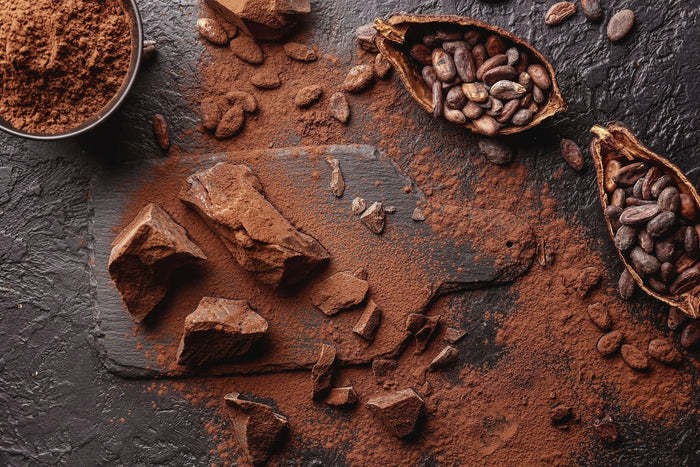
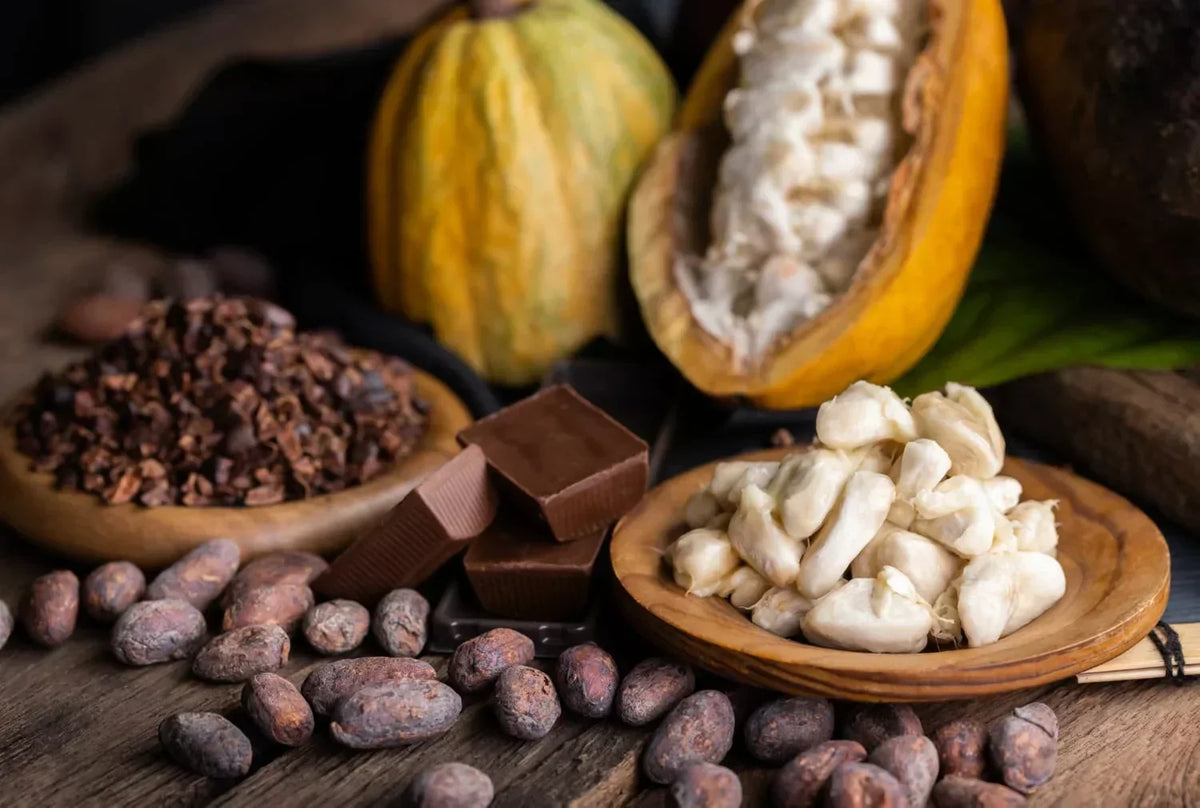
| Nibs | Snacking, Baking, Texture | The least processed; provides a satisfying crunch and steady energy. |
| Paste (Ceremonial) or bars | Daily Rituals, Meditation | Contains the natural cocoa butter, which acts as a carrier for theobromine. |
| Powder | Smoothies, Quick Baking | Convenient, but often lacks the healthy fats found in the paste or nibs. |
| Whole Beans | The Purist Experience | Peeling your own beans is the ultimate way to connect with the origin. |
Cacao vs. Coffee: A Different Kind of Energy
Many people look to buy cacao as a "coffee replacement." Understanding the biological difference is key to using it effectively.
The Caffeine Spike vs. The Theobromine Flow
-
Coffee (Caffeine): Directly stimulates the central nervous system. It can lead to jitters, a rapid heart rate, and the "3 PM crash."
-
Cacao (Theobromine): A cardiovascular stimulant. It dilates blood vessels, increasing blood flow without the "fight or flight" response of caffeine.
The result? Cacao provides "heart-centered energy"—a sustained focus and mood boost that doesn't end in a crash. It is the perfect choice for those who find coffee too aggressive for their nervous system.
How to Identify a Trustworthy Seller
If you are searching online or in-person, use this "Checklist of Integrity" before you buy:
-
Transparency: Do they name the specific region or indigenous community?
-
Ingredients: Is it 100% cacao? (Beware of "natural flavors" or "lecithin").
-
Process: Do they mention "low-temperature" or "minimal" roasting?
-
Community Impact: Do they give back to the regions they source from?
Conclusion: The Adventure of Sourcing
Buying cacao is an act of participation. When you choose high-quality, ethically sourced cacao from regions like the High-Amazon Basin, you are supporting biodiversity and the preservation of ancient traditions.
Whether you are looking for the crunch of unsweetened nibs or the deep, soul-stirring experience of ceremonial paste, remember that quality starts at the roots.