If you’ve ever reached for a bag of chocolate chips only to discover a jar of cacao nibs instead, you’ve stumbled upon a secret used by professional pastry chefs worldwide. Baking with cacao nibs is not just a "healthy swap" — it’s a way to add sophisticated texture, a complex aroma, and a deep, nutty crunch that traditional chocolate cannot provide.
However, cacao nibs don’t behave like chocolate chips. To master them in the kitchen, you need to understand their unique properties.
Do Cacao Nibs Melt? (The #1 Question)

The most important thing to know before you start baking is that cacao nibs do not melt.
Unlike chocolate chips, which contain sugar and milk solids that help them soften into a gooey puddle, cacao nibs are 100% cacao bean. They are composed of roughly 50% cocoa butter (fat) and 50% fiber (solids). While the fat inside the nib will soften when heated, the fibrous structure of the bean stays intact.
The Result: You get a consistent, roasted "crunch" in every bite, similar to a macadamia nut or a walnut, rather than a melted pocket of sweetness.
Stock your pantry for your next baking adventure here.
How to Use Cacao Nibs in Baking
Because they don't melt, you have to be intentional about how you incorporate them. Here are the three most common methods:
As a Direct Substitute
You can replace chocolate chips with cacao nibs in a 1:1 ratio if you want to reduce sugar. However, because nibs are bitter, we recommend a 50/50 split: half chocolate chips for sweetness and half nibs for texture and depth.
As a "Nut" Replacement
If a recipe calls for chopped walnuts or pecans, try using cacao nibs instead. They provide a similar "snap" but with a much more intense chocolate aroma. This is perfect for those with nut allergies who still want that textural contrast in their brownies or muffins.
As a Finishing Touch
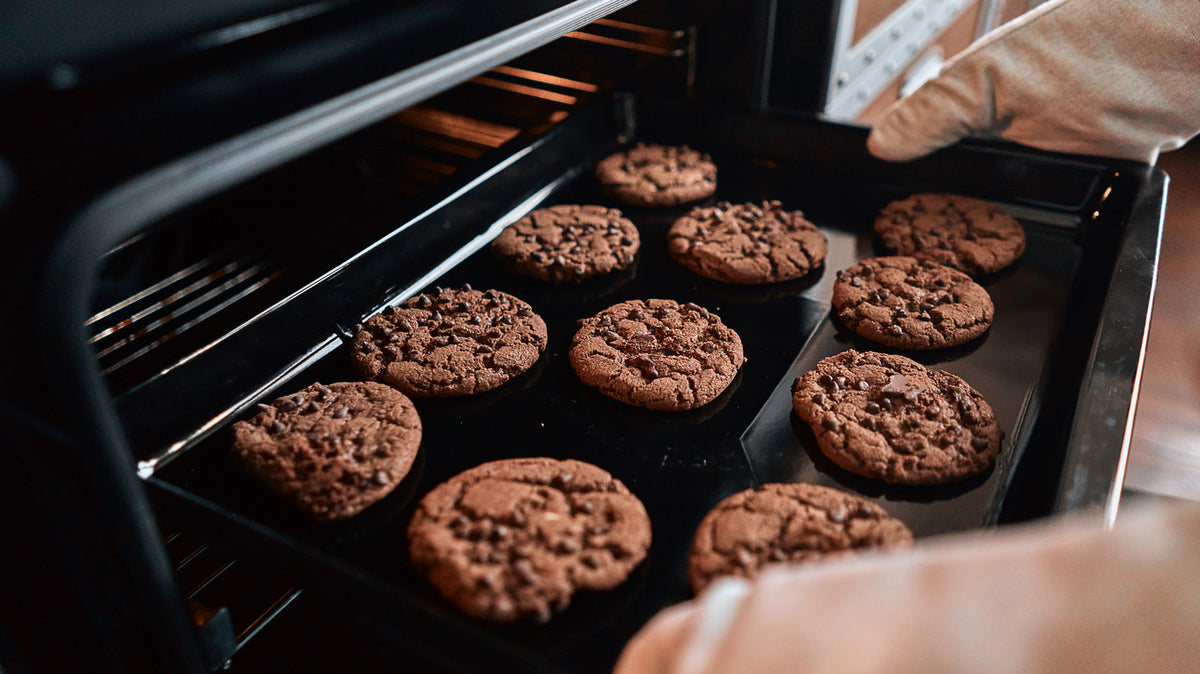
Sprinkling nibs on top of cookies or tarts before they go into the oven allows them to toast slightly. This intensifies their nutty flavor and creates a beautiful, professional-looking "crust."
Quantities and Ratios: Finding the Balance
Since unsweetened cacao nibs are potent, a little goes a long way.
-
Cookies: 2–3 tablespoons per batch of 12.
-
Breads/Muffins: ¼ cup per standard loaf or 12 muffins.
-
Smoothies/Bowls: 1 tablespoon per serving.
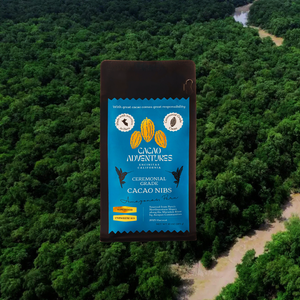
Pro Tip: If you are using Cacao Adventures Amazonian Nibs, remember that our light-roast process preserves more of the natural fruitiness. You don't need to over-bake them; let the natural flavor of the bean shine through.
Sweet vs. Savory Applications
Sweet Recipes: The Contrast
In sweet baking, nibs act as a "palate cleanser." They prevent a dessert from becoming "one-note" (too sweet).
-
Shortbread: Add 2 tablespoons of crushed nibs to a classic buttery shortbread. The fat in the butter carries the cacao flavor beautifully.
-
Brownies: Fold them into the batter for a "double chocolate" experience that adds a surprising crunch to the fudgy center.
Savory Recipes: The Earthy Secret
Baking isn't just for sugar. Cacao nibs are a staple in savory kitchens where they are treated like a spice.
-
Cacao-Crusted Bread: Press nibs into the surface of a sourdough loaf before the final bake.
-
Roasted Root Vegetables: Toss carrots or sweet potatoes in olive oil, sea salt, and crushed nibs. When roasted, the nibs develop a smoky, peppery quality that pairs perfectly with earthy vegetables.
Tips for Success in the Kitchen
Grind Them Down
If the "crunch" of a whole nib is too intense for your recipe, pulse them in a spice grinder or blender for 5 seconds. This creates "cacao dust" or smaller "micro-nibs" that distribute flavor more evenly through a cake or cookie dough.
Infusion
Want the flavor without the grit? Steep cacao nibs in warm milk or heavy cream for 20 minutes, then strain them out. This "cacao-infused" liquid is the perfect base for panna cotta, ice cream, or homemade ganache.
Watch the Roast
Because our nibs are already gently roasted, be careful with high-temperature baking (above 200°C/400°F) for long periods. If they get too dark, they can turn from "pleasantly bitter" to "sharp."
Why Quality Matters in Baking
When you bake with industrial, low-grade nibs, they can often taste like "wood" or "bark." High-quality nibs— like our High-Amazon Basin variety — bring notes of berries and flowers into your oven.
According to the Fine Cacao and Chocolate Institute (FCCI), the volatile aromatic compounds in cacao are most vibrant when the bean has been fermented correctly. When you open a bag of Cacao Adventures nibs, you should smell the origin immediately. That aroma is exactly what will fill your house when those cookies start to bake.