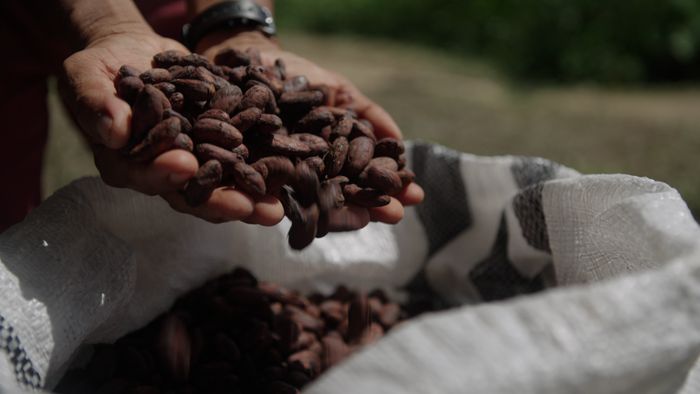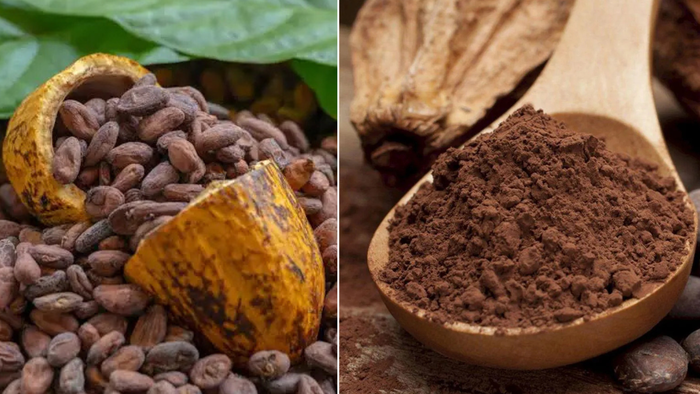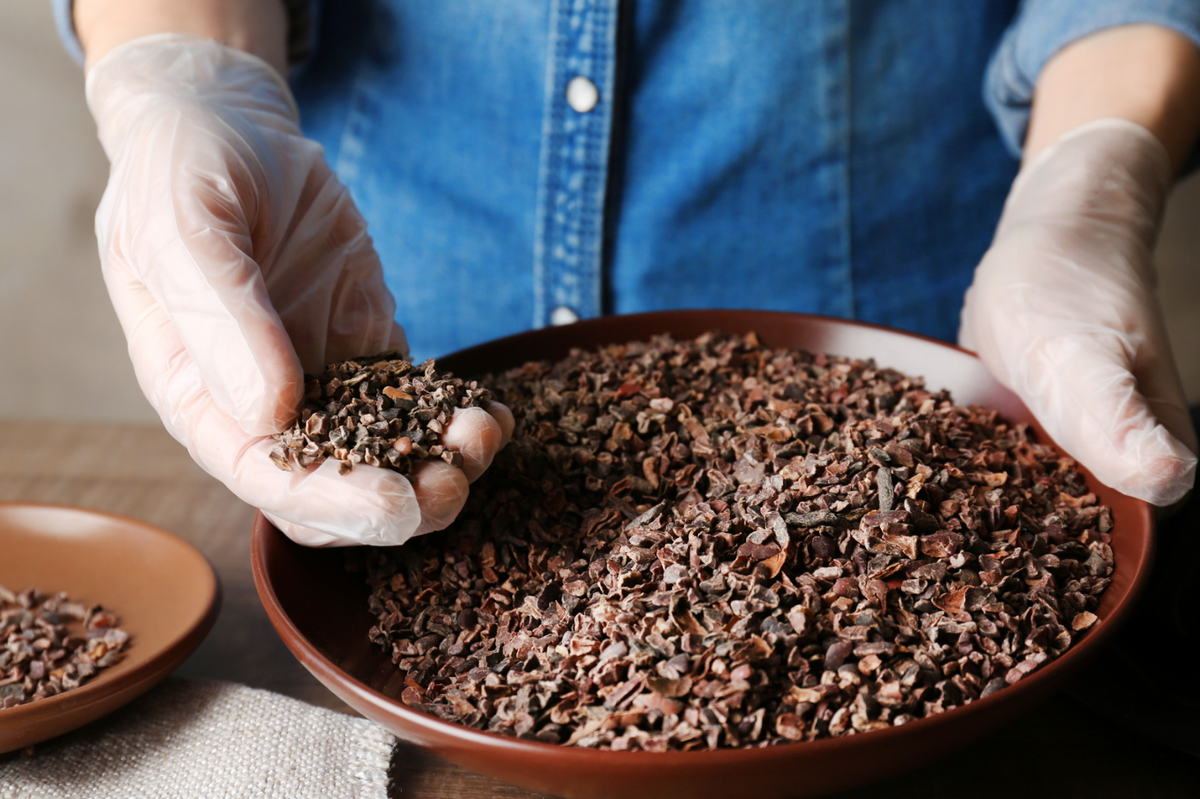
If you’ve found yourself staring at two different bags: one labeled "Cacao Nibs" and the other "Cocoa Nibs"— wondering if you’re looking at the same product, you aren't alone.
While the terms are often used interchangeably in casual conversation, in the world of high-end chocolate and nutrition, the difference usually comes down to temperature, processing, and transparency.
The Linguistic Loophole
Technically, "Cacao" and "Cocoa" both stem from the same plant: Theobroma cacao.
-
"Cacao" is the original botanical term (and the word used in the regions where it grows).
-
"Cocoa" became the common English adaptation, popularized by large-scale commercial processors.
However, a "marketing standard" has emerged over the last decade. As organizations like the Fine Cacao and Chocolate Institute (FCCI) note, the choice of spelling often signals the producer's intent.
The Processing Temperature
The most significant difference usually lies in the roast.

-
Cacao Nibs: Generally imply a "raw" or low-temperature process. The beans are fermented and dried, but if they are roasted, it is done at very low heat to preserve the living enzymes and the complex antioxidant structure.
-
Cocoa Nibs: Usually refer to beans that have been roasted at much higher temperatures. While this creates a very consistent "toasted" chocolate flavor, it can degrade some of the more delicate heat-sensitive nutrients, like Vitamin C and certain polyphenols.
At Cacao Adventures, we stick to the term "Cacao" because our process is about preservation, not just production. We use minimal heat to ensure the High-Amazon Basin flavors remain intact.
Since we're talking a lot about roasting, let's understand it better.
The Art and Science of the Roast: Why It Matters for Cacao Nibs (or any other form)
If fermentation is the "birth" of cacao's flavor, roasting is its "coming of age." While raw cacao enthusiasts often advocate for no heat at all, the reality of high-quality cacao is more nuanced. Roasting is the essential bridge that transforms a bitter seed into a complex culinary treasure.
1. The "Kill Step": Safety First
From a technical standpoint, roasting serves as a critical safety measure. As highlighted by the FCCI, cacao beans are a fermented agricultural product. They spend time on drying decks and are handled in tropical environments.
A controlled roast acts as a "kill step," eliminating potential pathogens or molds that can develop during the natural fermentation process. This is why "truly raw" cacao can be risky if not handled in extremely sterile conditions.
2. Developing the "Maillard Reaction"
The primary reason we roast is flavor. Roasting triggers the Maillard Reaction, a chemical reaction between amino acids and reducing sugars.
-
Industrial Roasting: Large-scale producers often use high temperatures (130°C–150°C) to process beans quickly. This creates a standard "burnt" or "chocolatey" flavor that masks the unique characteristics of the bean.
-
Artisan Roasting: We use a Low-and-Slow approach. By keeping temperatures lower, we gently coax out the natural notes of berries, citrus, and flowers that are unique to the High-Amazon Basin terroir.
3. Reducing Astringency and Bitterness
Raw cacao beans contain high levels of tannins and volatile acids (like acetic acid from fermentation). Without the application of heat, these can feel incredibly sharp and "mouth-drying" on the palate. Roasting allows these harsh acids to evaporate, "mellowing" the nib and allowing the deeper, nuttier undertones to take center stage.
4. Preserving the "Living" Nutrients
The biggest challenge for an artisan roaster is protecting the Polyphenols. Research supported by the Heirloom Cacao Preservation Initiative (HCP) suggests that excessive heat can significantly degrade the antioxidant capacity of cacao.
By utilizing a precision, light-to-medium roast, we hit the "sweet spot":
-
Safety is guaranteed.
-
Aroma is maximized.
-
Nutrient Integrity (like Magnesium and Theobromine) remains high.
Purity and Additives
When a product is labeled "Cocoa," it is often a signal that it belongs to the industrial supply chain.
-
Cocoa products are sometimes "Dutched" or alkalized. This process uses a chemical solution to reduce acidity and darken the color. While it makes the chocolate taste "smoother," it significantly reduces the antioxidant content.
-
Cacao products are almost always kept in their natural, non-alkalized state. This results in a more vibrant, slightly acidic, and fruity flavor profile that is much closer to the actual fruit.
Which One is "Healthier"?
If you are eating nibs for the functional benefits — like improved focus from theobromine or heart-healthy flavonoids — the consensus among nutritionists is that Cacao is the superior choice.
The Heirloom Cacao Preservation Initiative (HCP) highlights that native, minimally processed cacao contains a chemical complexity that industrial "cocoa" simply cannot match. By choosing cacao nibs, you are getting the bean in its most bioavailable form.
| Feature | Cacao Nibs | Cocoa Nibs |
| Processing | Low-heat / Minimal | High-heat Roast |
| Flavor | Complex, Fruity, Floral | Nutty, Toasted, Simple |
| Nutrients | Highly Preserved | Partially Degraded |
| Alkalization | Never | Sometimes (Dutch-processed) |
The Verdict: Don't Let the Label Trick You
While some brands use the word "Cocoa" just because it's more recognizable, the best way to tell the difference is to look at the Brand Ethos:
-
Check the Roast: Does the brand mention "low-temperature" or "artisan" roasting?
-
Check the Source: Is it a single-origin bean or a mysterious "global blend"?
-
Check the Ingredients: It should be 100% cacao — nothing else.
At Cacao Adventures, we don't just choose the word "Cacao" for the sake of it. We choose it because we believe the bean doesn't need to be "fixed" by high-heat industrial processing. Whether you call them cacao or cocoa, the magic lies in the quality of the soil and the integrity of the farmer.