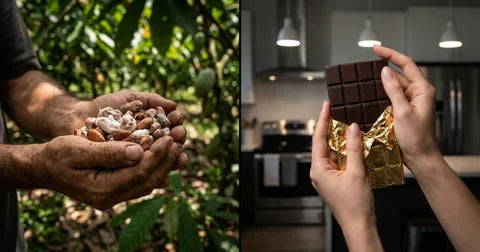
Bean-to-bar chocolate is far more than a snack — it is chocolate made the way it was meant to be made, with every step from bean to finished bar controlled by a single maker instead of split across an anonymous industrial supply chain. Choosing high-quality bean-to-bar chocolate means choosing flavor, transparency, and a direct connection to the farmers who grow the cacao.
In this guide, we'll walk you through everything you need to know to identify high-quality bean-to-bar chocolate, understand what separates a real craft bar from a supermarket imitation, and taste it with intention. Whether you're new to craft chocolate or already chasing single-origin bars, this guide will help you buy smarter.
Why the Source of the Cacao Matters
The origin of the cacao used in a bar shapes its flavor, quality, and ethical footprint far more than most shoppers realize. The best bean-to-bar chocolate comes from small, traceable farms in Central and South America, where growers cultivate heirloom cacao varieties using traditional methods. Look for chocolate sourced from regions like:
- Peru (High-Amazon Basin, Tropical Desert)
- Ecuador
- Colombia
- Madagascar
- Venezuela
Seek transparency about the farm, cooperative, or region behind the beans — a real bean-to-bar maker will always tell you exactly where the cacao came from, not just "cacao, origin unknown."
Key Characteristics of High-Quality Bean-to-Bar Chocolate
1. Single-Origin Cacao Beans
Real bean-to-bar chocolate is made from beans sourced from one farm, region, or cooperative, rather than a blend of anonymous cacao from multiple continents. This is what gives each bar its own distinct flavor profile, the same way a single-origin coffee tastes different from a generic blend.
2. Minimal, Honest Ingredient List
A genuine craft bar should list very few ingredients: cacao, a natural sweetener, and maybe cacao butter. There is no room for soy lecithin fillers, artificial vanillin, or vegetable fat standing in for real cacao butter.
3. Small-Batch, Stone-Ground Production
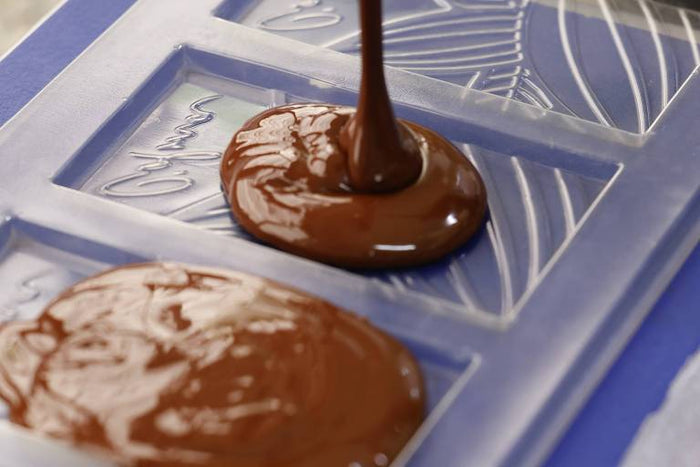
Bean-to-bar makers roast, crack, winnow, grind, conch, and temper their own chocolate in small batches — often only a few hundred pounds at a time — instead of buying pre-made industrial couverture. This slower process preserves the natural aromatics of the bean.
4. Full Traceability from Farm to Bar
The best makers can tell you which farm, harvest, and even fermentation method produced the beans in your bar. Look for tasting notes that mention flavor, texture, and origin story, not just a percentage on the wrapper.
What to Look for in Bean-to-Bar Chocolate

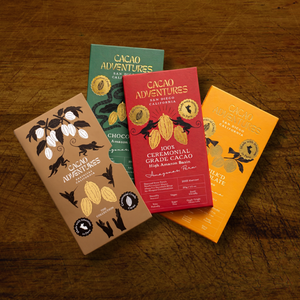
Cacao Adventures makes its bars against the same standard the ceremonial-grade cacao side of the business is known for:
- Single-Origin Peruvian Cacao: Bars are made from beans grown in Peru's High-Amazon Basin and Tropical Desert regions, keeping each origin's flavor intact.
- No Processed Sugar: The bars are sweetened with coconut sugar instead of refined white sugar, keeping them closer to their natural cacao flavor.
- Dairy-Free and Vegan: Every bar in the chocolate bar collection is plant-based, so nothing dilutes the taste of the cacao itself.
- A Range of Percentages: From the approachable Unmilk'd 53% to the classic 70% bar and the uncompromising 100% bar, there's an entry point for every palate.
- Direct-Trade Sourcing: The same short, direct supply chain used for their ceremonial cacao carries over into the chocolate bars, so farmers are paid fairly for the beans that end up in your bar.
By choosing Cacao Adventures, you're selecting chocolate made with the same care as a ceremonial-grade cacao paste — just in bar form.
Red Flags to Avoid

Be wary of chocolate labeled "artisan" or "craft" that doesn't back the claim up with real information. Avoid bars that show:
- No mention of bean origin or farm/cooperative name
- Vegetable fat or palm oil listed ahead of cacao butter
- Soy lecithin or artificial flavoring as a primary ingredient
- Vague percentage claims with no tasting notes
- Mass-market pricing that doesn't reflect small-batch production costs
How to Taste-Test Bean-to-Bar Chocolate at Home
Once you've got a bar in hand, you can evaluate its quality the same way a chocolate maker would — see our full guide to tasting chocolate like a pro for a step-by-step walkthrough. In short:
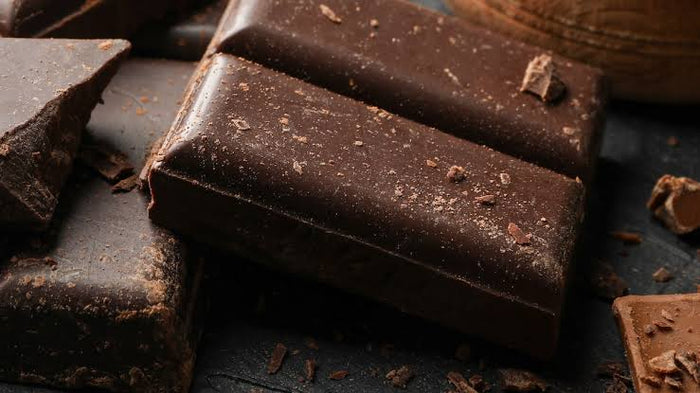
- Look: The bar should have a glossy snap and an even color with no white "bloom."
- Smell: A complex aroma — fruity, nutty, earthy — indicates real, well-fermented beans.
- Taste: Let a square melt slowly on your tongue; high-quality bars reveal layered flavor rather than a flat, one-note sweetness.
- Snap: A clean, crisp snap when you break the bar signals proper tempering.
The Difference Between a Chocolate Maker and a Chocolatier
It's worth understanding this distinction before you shop: a bean-to-bar producer works from raw cacao beans through the entire process, while a chocolatier melts and reshapes chocolate someone else already made. Our breakdown of chocolate maker vs. chocolatier explains exactly why that distinction matters for flavor and pricing.
Recommended Bean-to-Bar Chocolate Makers
Here are a few respected names known for genuine bean-to-bar craft:
- Cacao Adventures (Peru-focused, single-origin, direct trade)
- Dandelion Chocolate (San Francisco, single-origin transparency pioneer)
- Fruition Chocolate Works (New York, small-batch and award-winning)
- Raaka Chocolate (Brooklyn, unroasted and experimental bars)
- Taza Chocolate (Massachusetts, stone-ground Mexican-style texture)
Check each maker's origin story and sourcing details before buying — a real bean-to-bar brand is proud to share both.
Storing Bean-to-Bar Chocolate Properly
To keep your chocolate tasting its best, store it:
- In a cool, dry place around 65–68°F
- Away from direct sunlight and strong odors (chocolate absorbs smells easily)
- Wrapped in its original packaging or an airtight container
Proper storage prevents both sugar bloom (a dull, grainy surface) and fat bloom (a white, waxy film), keeping the bar's snap and flavor intact for months.
Final Thoughts
Choosing bean-to-bar chocolate is more than a snack decision — it's a vote for transparency, craftsmanship, and the farmers behind every bean. At Cacao Adventures, we bring the same direct-trade, single-origin philosophy from our ceremonial cacao into every bar we make.
Ready to taste the difference? Explore our collection of single-origin bean-to-bar bars and taste Peru's High-Amazon Basin and Tropical Desert for yourself.