Bean-to-bar chocolate has grown from a niche hobby into a full-fledged craft movement, prized for its traceability, single-origin flavor, and small-batch production. As more people move away from mass-market chocolate, many are seeking authentic, ethically sourced bean-to-bar chocolate in the United States. Not all "craft" chocolate is created equal, especially once marketing gets involved. Below, we explore the best places to buy bean-to-bar chocolate in the U.S., focusing on traceability, quality, and fair sourcing.
What Is Bean-to-Bar Chocolate and Why It Matters
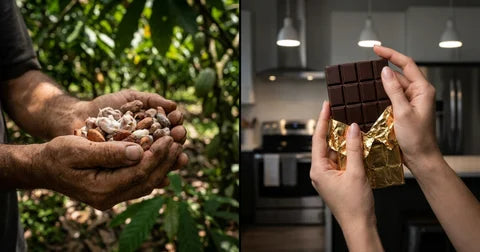
Bean-to-bar chocolate refers to chocolate made by a single maker who controls every step, from sourcing raw cacao beans to roasting, grinding, and tempering the final bar. It's not the same as mass-market chocolate made from blended, industrial couverture; this is small-batch chocolate, often sourced directly from farms or cooperatives in Central and South America whose growers have cultivated heirloom cacao for generations.
Where to Purchase Authentic Bean-to-Bar Chocolate Online
1. Cacao Adventures
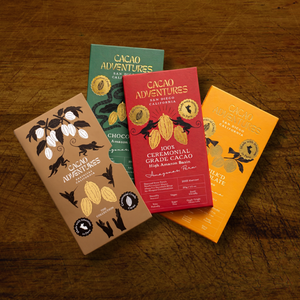
Cacao Adventures brings its ceremonial-grade cacao sourcing standards directly into its bean-to-bar chocolate line, working with the same small farms in Peru's High-Amazon Basin and Tropical Desert regions.
- Sustainably harvested, single-origin Peruvian cacao
- Full range from Unmilk'd 53% to the 100% bar
- 3-Bar Bean-to-Bar Dark Chocolate Set for tasting flights
- Dairy-free, vegan, coconut-sugar-sweetened, no processed sugar
Website: www.cacaoadventures.com
2. Dandelion Chocolate
Dandelion Chocolate is one of the most recognized names in American bean-to-bar chocolate, known for popularizing single-origin transparency from its San Francisco factory.
- Single-origin bars with published tasting notes
- Small-batch, stone-ground production
- Direct relationships with farms across Latin America and beyond
Website: www.dandelionchocolate.com
3. Fruition Chocolate Works
Founded by chef-turned-chocolate-maker Bryan Graham, Fruition Chocolate Works produces award-winning small-batch bars from a workshop in New York's Hudson Valley.
- Small-batch, hands-on production
- Multiple single-origin and flavored bar lines
- Widely awarded at international chocolate competitions
Website: www.fruitionchocolateworks.com
4. Raaka Chocolate
Based in Brooklyn, Raaka Chocolate is known for its unroasted "virgin" cacao process, which produces a distinctly bright, fruit-forward flavor profile.
- Unroasted, low-temperature processing
- Experimental flavor combinations alongside single-origin classics
- Transparent sourcing information for each bar
Website: www.raakachocolate.com
5. Taza Chocolate
Taza Chocolate, based in Somerville, Massachusetts, is known for its stone-ground, Mexican-style chocolate with a distinctive grainy texture.
- Organic, direct-trade cacao sourcing
- Stone-ground texture unlike typical conched bars
- Long-standing certified direct-trade program
Website: www.tazachocolate.com
Where to Buy Bean-to-Bar Chocolate Locally in the U.S.
While specialty chocolate shops and independent grocers are worth checking, the most reliable way to get genuinely fresh bean-to-bar chocolate is by purchasing it online, directly from the maker. You can easily order from trusted sources such as Cacao Adventures, where you'll find some of the best bean-to-bar chocolate for those new to craft chocolate, ethically sourced and shipped straight to your door.
Specialty food shops like Erewhon Market (Los Angeles) or Rainbow Grocery (San Francisco) also carry curated selections from top-tier craft makers, and independent chocolate shops in cities like Portland, Asheville, and Brooklyn often stock small local bean-to-bar producers alongside national names.
How to Identify True Bean-to-Bar Chocolate
When buying bean-to-bar chocolate, make sure the product:
- Discloses the specific farm, cooperative, or region the beans came from
- Lists a short, honest ingredient panel: cacao, natural sweetener, sometimes cacao butter
- Is made in small batches by the brand selling it, not relabeled couverture
- Comes with real tasting notes, not just a percentage on the wrapper
- Offers transparency about direct-trade or fair-trade relationships with farmers
- High-quality cacao beans as the starting point
Avoid chocolate that leans on vague "premium" or "gourmet" language without ever naming an origin, as this is usually a sign the bar was bought as bulk couverture rather than made from raw beans.
Benefits of Choosing High-Quality Bean-to-Bar Chocolate
Bean-to-bar chocolate is prized for its complex flavor and clean ingredient profile. High-quality bars retain more of cacao's naturally occurring:
- Theobromine: A gentle, natural stimulant that supports energy and focus
- Magnesium: Supports muscle relaxation and nervous system function
- Flavanols: Antioxidant compounds linked to cardiovascular support
- Natural cacao butter: Preserved rather than stripped and replaced with cheaper fats
Because bean-to-bar chocolate isn't stripped down and reformulated the way mass-market chocolate often is, more of these naturally occurring compounds make it into the final bar.
Tips for Storing and Enjoying Bean-to-Bar Chocolate
- Storage: Keep bars in a cool, dry place around 65–68°F, away from strong odors and direct sunlight.
- Tasting: Snap a square, let it melt slowly on your tongue, and notice how the flavor changes over 30 seconds — see our full tasting guide for the complete method.
- Pairing: Higher-percentage bars pair well with black coffee or red wine; lower-percentage bars work well with fruit or nut-based snacks.
Why Direct-Trade Sourcing Matters
Bean-to-bar chocolate is more than a product — it's a direct relationship between a maker and a farm. Supporting direct-trade sourcing helps:
- Ensure fair pay for farmers, well above commodity cacao prices
- Preserve traditional cacao-growing knowledge in origin countries
- Promote biodiversity through smaller, more diverse farms
- Reward the transparency that separates real craft chocolate from marketing
Choose makers that disclose their direct-trade relationships and can name the actual farm or cooperative behind their beans.
Final Thoughts
At a time when "craft" and "artisan" get slapped on mass-market chocolate as often as they describe the real thing, choosing authentic bean-to-bar chocolate is a meaningful step toward better flavor and fairer sourcing. Whether you're a longtime collector or just building your first tasting flight, selecting chocolate that discloses its roots makes all the difference.

If you're ready to try genuinely traceable, single-origin chocolate, we invite you to explore the bean-to-bar collection from Cacao Adventures. With a commitment to direct-trade sourcing and single-origin Peruvian cacao, Cacao Adventures brings the same standard from its ceremonial cacao into every bar.
Choose traceable. Choose Cacao Adventures.